What 'raw' means, and the promise it can't make
A raw card is simply an ungraded one — no slab, no assigned number, sold as-is. Buying raw is usually the cheapest way to get a card into your collection, and it keeps every option open: you can enjoy it, resell it, or grade it later if it earns the trip. The catch is that you're the one judging condition. A raw card's grade doesn't exist until a grader assigns it, so any language a listing uses about how it will grade is a prediction, not a fact. Understanding that gap — between how a card looks and what it would actually grade — is the whole skill of buying raw without overpaying.

Where to buy, and the real tradeoff at each stop
The main venues are large marketplaces like eBay and TCGplayer, local card shops, and dedicated vendors at shows. Marketplaces give you the deepest selection and the strongest buyer protections, but the loosest condition standards — anyone can list, and 'Near Mint' means whatever the seller decides. A local shop lets you inspect the card in hand before paying, which removes most of the guesswork, but selection is thinner and prices are often higher. Show vendors sit in between: hands-on inspection, room to negotiate, and no return safety net once you walk away. None is strictly best; match the venue to how much you trust your own eye on that particular card.
Why sellers flip raw instead of grading it
It's worth understanding the seller's side, because most reasons are legitimate. Grading is slow — waits run from a couple of months to the better part of a year — and it's expensive, tying up both the card and your cash for that whole window. It's also a gamble: a clean card is never guaranteed the top grade, and shipping adds real risk of loss or damage. Selling raw is instant money, and vendors make their living on velocity — turning inventory over repeatedly beats sitting on one card waiting on a grade. Plenty of collectors also just prefer raw cards and don't want to deal with slabs at all. A raw listing is not automatically a red flag.
'Near Mint' and 'pack fresh' are not grades
This is the single most important thing to internalize: condition language and grade are different things. A card can be genuinely pack-fresh — pulled minutes ago, never played — and still grade a 6 because it came out of the pack off-center or with soft corners. Centering, corners, edges, and surface all decide the grade, and a card can fail on one while looking flawless in the others. 'Minty,' 'pack fresh,' and 'gem potential' describe how a card presents, not how it will score. Treat every one of those phrases as the seller's optimistic guess and go verify it yourself, because the number is what you're actually paying for.
Judging condition from a photo
Most raw cards are bought sight-unseen from a photo, so learn to read one. Ask for the actual card, not a stock image — a stock photo tells you nothing about the copy you'll receive, and a seller using one on a condition-sensitive card is hiding the only thing that matters. Want clear, in-focus shots of the front and back, ideally straight-on so you can judge centering, plus angled light to reveal surface scratches and print lines. Zoom the corners and edges for whitening. If the photos are blurry, cropped, or shot at flattering angles, assume they're concealing a flaw — and if the listing won't provide better ones, walk.
Spotting weaponized ambiguity
Some listings use vague, upbeat language precisely because it can't be pinned down. 'PSA 10 potential,' 'would grade high,' and '10 contender' all put the grade in your imagination while keeping it out of the description. The tell is that none of them commit to anything a return could be based on — they sell you a grade the card doesn't have. eBay's own 'Near Mint' standard is loose enough to allow some edge whitening, so a seller gains little by describing a card strictly and plenty by describing it generously. When a listing leans on potential instead of showing you condition, read it as a reason to inspect harder, not a reason to pay more.
The 'grade-10 contender' premium: what it's worth
Here's the genuine debate: should you pay extra for a raw card priced as a likely top grade? The case against is strong and widely held — if a card is listed at or near what a graded 8 or 9 sells for, you're taking all the grading risk while the seller keeps the profit, and if you simply want the grade, buying the slab is cheaper and certain. The case for is narrower: a demonstrably clean, well-centered copy really does have better odds, and a modest premium over a plain raw card can be fair. The line most experienced buyers hold is simple — pay a small premium for a nicer copy, never graded-card money for an ungraded card.
Is the seller hiding a flaw?
A sharper version of the same worry: if a raw card could truly gem, why didn't the seller grade it for a bigger payday? Sometimes that logic holds — a vendor may know about a faint scratch or print line that only shows under close inspection. But it isn't a rule. Many vendors keep the cleanest copies for their own collection and sell the gem candidates because that's what buyers pay premiums for, and on modern cards a nicer copy is easy to source again, so they'll often negotiate. Vintage is where a raw premium is most defensible: high-grade old cards are genuinely hard to replace, so a clean one can fairly cost more.
Vetting the seller and the listing
The seller is often a better signal than the card. Favor established sellers with long histories and consistent feedback, and read how they describe condition across their listings — someone who notes flaws honestly on other cards is more trustworthy on this one. Real photos of the exact card, straight answers to condition questions, and a stated return policy are all good signs. Few photos, odd angles, no shot of the back, or defensiveness when you ask are all reasons to pass. On raw cards, a seller who volunteers the imperfections is worth more than one who insists everything is mint — honesty about condition is the rarest and most valuable thing a raw listing can offer.
Marketplace protections, and when to lean on them
Buying raw on a major marketplace comes with a safety net worth using. Item-not-as-described claims and standard buyer protection let you return a card that shows up worse than the listing promised, which is your main recourse when photos hid a flaw. On higher-value cards, some marketplaces run authentication programs that route the card through a third party before it reaches you, giving you a checkpoint to reject a misgraded or counterfeit card. These protections don't replace inspecting the listing up front, but they change the math on where it's safe to take a chance — a marketplace with real recourse is a better place to buy a borderline card than a private cash sale with none.
When raw beats graded — and when it doesn't
Raw wins when you want a card for your collection at the lowest price, when you trust your eye or the return policy, and especially on modern cards, where clean copies are everywhere and paying a grade premium on one is hard to justify. Graded wins when you specifically want a guaranteed condition — a slab locks in a verified grade a buyer can't argue down — or when authenticity matters and you'd rather not judge it yourself. Vintage sits in the middle: clean raw copies are scarce enough that a premium can be fair, but they're also where condition is hardest to read from a photo, so buy from sellers who let you verify.
Protect the card the moment it arrives
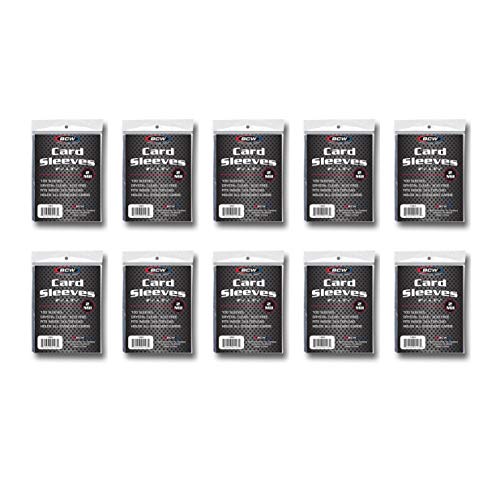
The buying isn't done when the card ships. A raw card's value lives entirely in its condition, so the first thing to do when a good one lands is get it out of a flimsy mailer and into real protection. Sleeve it — a penny sleeve inside a snug fitted sleeve — and drop it into a rigid toploader so corners and edges can't take new damage in storage or transit. That keeps every option you paid for open: a well-kept raw card stays sellable, stays gradeable if it ever earns the trip, and never loses value because it got dinged sitting in a box. Careful storage is the cheapest insurance in the hobby.