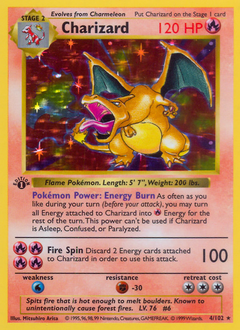
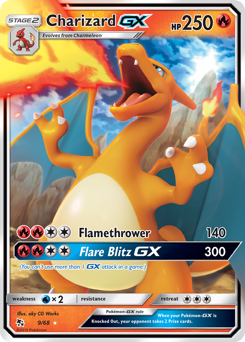
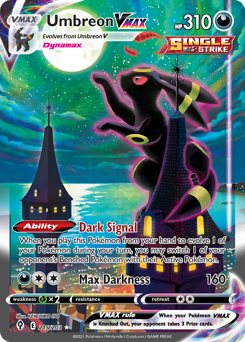
Why this matters now
Counterfeit trading cards have surged with the hobby's popularity — sellers report seeing fakes weekly, often bought unknowingly from third-party marketplaces, flea markets, or sketchy online listings. The good news: most counterfeits are easy to catch once you know what to look for. No single test is perfect, so the smart approach is to check a few things together. When possible, compare the suspect card to a known-genuine card of the same set, rarity, and finish.
The #1 tell: texture
This is the fastest and most reliable check. Modern chase cards — full arts, Pokémon ex/GX/V/VMAX, and Illustration Rares — have a physical texture etched into the surface you can feel with your fingertip. Counterfeits almost always feel smooth and flat where there should be texture, because real texture is created during manufacturing and is very hard to fake. If a card that should be textured feels like a slick, glossy print, it's almost certainly fake.
Check the text and font
The Pokémon TCG uses a specific, proprietary font that counterfeiters struggle to reproduce exactly. Look closely at the card name, attack text, and HP: fakes often have letters that are slightly the wrong shape, spaced oddly, too bold, or blurry. Misspellings and grammar mistakes are dead giveaways. Comparing the font to a card you know is real makes subtle differences jump out.
Inspect the back of the card
Real Pokémon card backs have a crisp, dark blue border that's a distinctly different blue from the rest of the back design — with no color bleeding between them. Fakes tend to look washed out, with muted or purplish blues and lower overall print quality. If you're buying online and the listing doesn't show the back, ask for a photo; a seller who won't provide one is a red flag.
Look at the edge (the layer test)
This is the most consistent check of all, and it doesn't damage the card. Real English Pokémon cards are made of layered paper with a dark core — look at the card's edge from the side and you'll see a white–gray/black–white sandwich. Many fakes use a single-layer or differently-colored stock, so the edge looks solid or wrong. You don't need to rip a card to see this (the infamous 'rip test' shows the same layers but destroys the card — just look at the side instead).
Judge the holo and color
Foil is hard to counterfeit well. Fake holo and chase cards often have a flat, simple, or 'dead' shine that doesn't catch the light like a real card, and they sometimes carry a brownish, yellowish, or orange hue. Some fakes even print a picture of the texture or holo pattern instead of actually producing it. Overly dark colors, a faint fabric-like pattern in the print, or blurry artwork all point to a counterfeit.
About the light test
Shining a phone flashlight through a card is the most popular online test — and it's the least reliable on its own. Real cards vary a lot in opacity depending on era, color, and foiling, so the light test produces plenty of false positives (and some good fakes pass it). It can be a useful tiebreaker only when you compare the suspect card directly against a genuine card of the same set and finish under the same light. Don't rely on it alone.
Tests to avoid
Two popular tests work by damaging the card to judge its stock, and both are unnecessary. Never damage a card you might want to keep or resell:
- The bend test. Flexing a card to feel its stock risks a permanent crease, and your fingers are sensitive enough to judge durability and texture without bending it at all.
- The rip test. Tearing a card does show the layered stock, but the edge/layer check gives you exactly the same information with the card still intact.
How to avoid fakes when buying
The best defense isn't a test at all — it's where you buy:
- If a price seems too good to be true, it is. Bulk lots of chase cards at a fraction of market value are almost always fake.
- Buy sealed product and singles from reputable retailers and established sellers.
- Be cautious with flea markets, loose blisters, and random marketplace listings.
- On resale sites, scrutinize sellers with few photos, odd angles, or no picture of the card back.
- When in doubt, compare the card against one you know is real — or have a valuable card professionally graded.