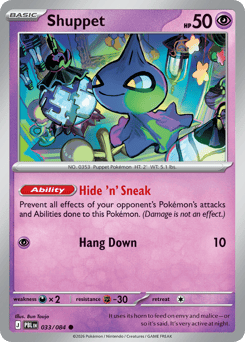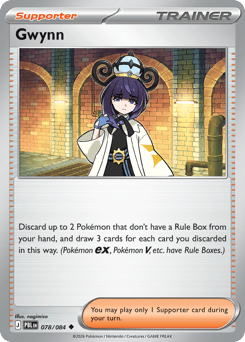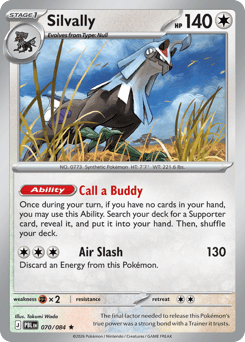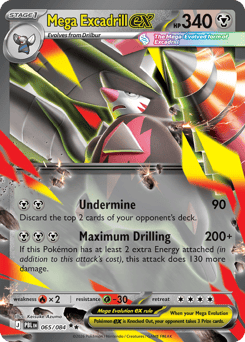

What is Pitch Black?
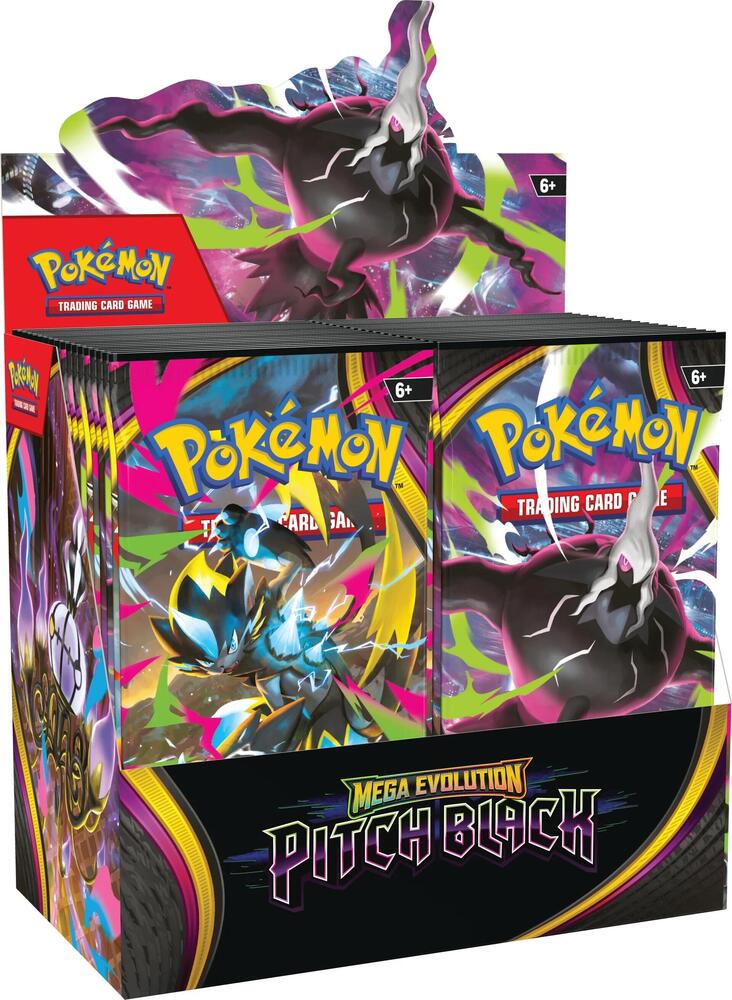
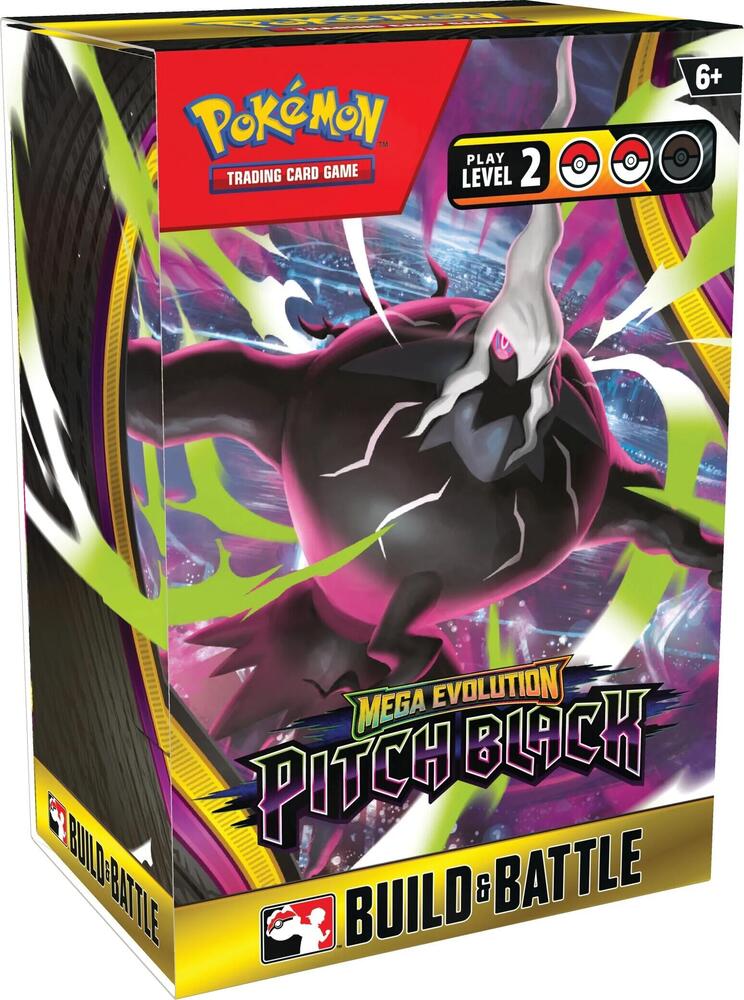
Pitch Black (set code ME05) is the fifth main expansion of the Mega Evolution era, released worldwide on July 17, 2026. It’s the first set built around the Mega Dimension DLC from Pokémon Legends: Z-A, and it leans hard into a Dark-type, shadows-and-nightmares theme — city lights and starry skies swallowed by darkness as Mega Darkrai ex arrives. In Japan the parent set is Abyss Eye. If you're holding a card and trying to place it, check the bottom-left corner: Pitch Black cards carry the set code PBL, followed by EN for English-language printings — so a 'PBL EN' mark next to the card number means it's from this set.

What’s in the set
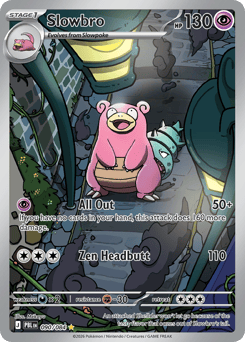
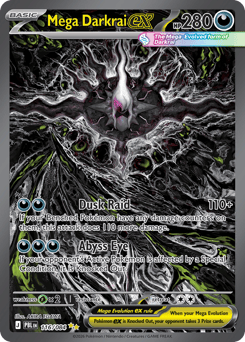
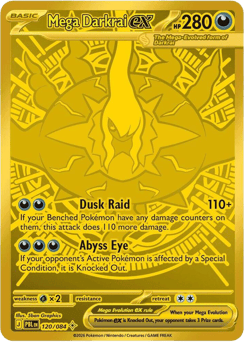
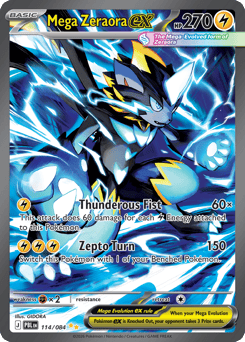
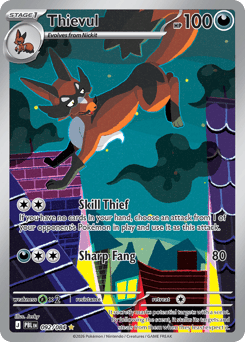
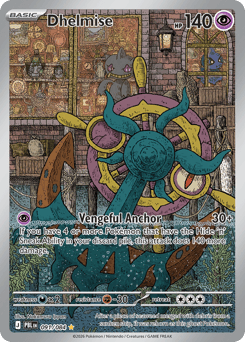
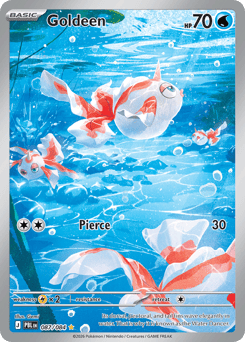
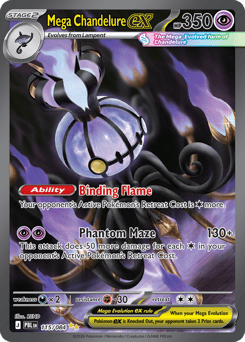
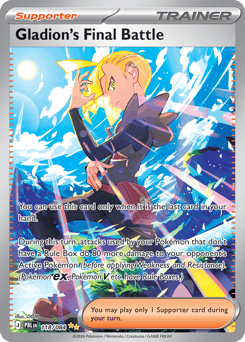
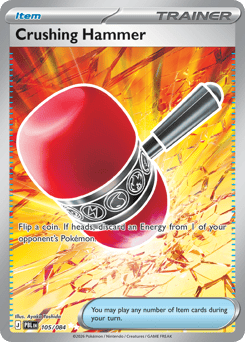
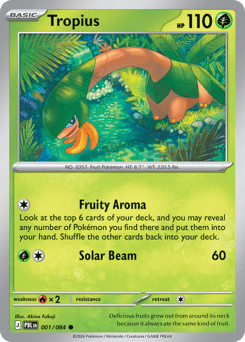
Pitch Black is a 120-card set: 84 cards in the printed, numbered base set and another 36 secret rares numbered past it. The rarity spread is 37 commons, 26 uncommons, 11 rares, 10 double rares, 18 ultra rares, 11 illustration rares, 6 special illustration rares, and a single Mega Hyper Rare. The headline is Mega Darkrai ex, which shows up in two premium versions: AKIRA EGAWA’s special illustration rare (#116) and a gold Mega Hyper Rare (#120) that is the only card in the whole set at that rarity. Mega Zeraora ex, Mega Chandelure ex, and a deep run of illustration rares fill out the premium layer.
Which cards to chase
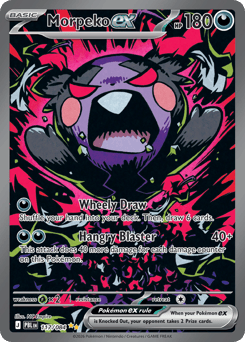
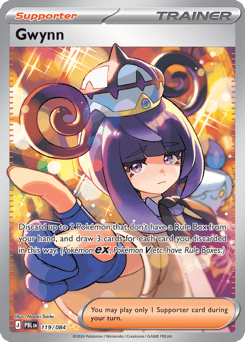
Mega Darkrai ex’s special illustration rare is the top card of the set — it opened its launch window around $380 and, as with every brand-new headline card, has been settling since; the card gallery further down this page carries current market prices. The launch surprise was Morpeko ex, whose special illustration rare traded ahead of two of the set’s Mega SIRs (Mega Zeraora ex and Mega Chandelure ex) out of the gate. For a Trainer-art pick, Naoki Saito’s Gwynn special illustration rare is the one to watch. A brand-new set is at its most expensive in its first weeks; early numbers usually cool as more product gets opened.
Pitch Black binder layout
The layout is simple math. The 84-card printed set fills ten 9-pocket pages — nine pages full, three pockets on the tenth, six left empty. Add the 36 secret rares and the complete 120-card master set runs to fourteen pages, so a standard 360-pocket zip binder holds the whole thing with room to spare. Set-number order is the standard sort for a single set and the one worth using here, because it keeps the printed set and the secret rares as two separate runs instead of mixing them together. Sleeve the pages and decide penny-sleeve or double-sleeve before you start sorting hits, not after.
The whole set, page by page
How a 9-pocket page of these cards would look in a real binder. Pick a page layout:
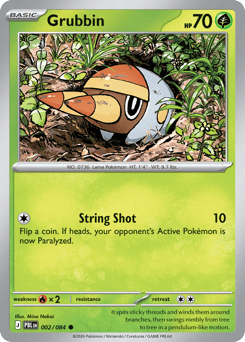
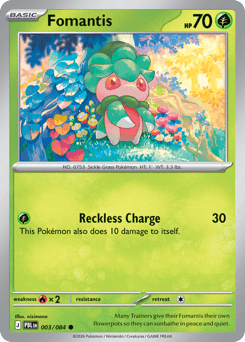
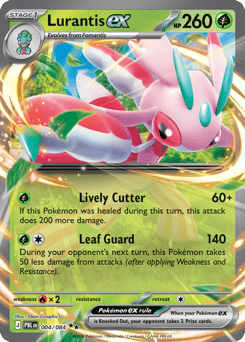
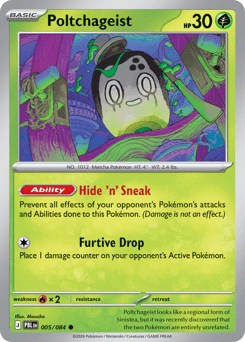
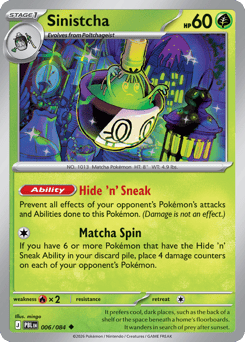
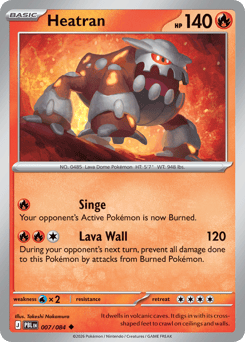
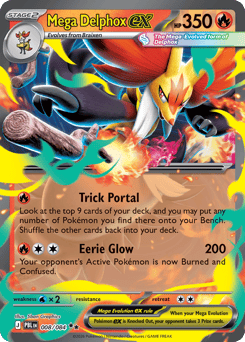
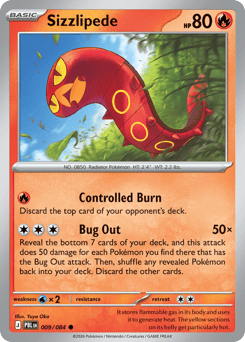
Build your own layout in the Binder Planner →
120 cards = 14 pages of 9-pocket, or 8 pages of 4×4.
Where the chase cards go
The 36 secret rares work out to exactly four 9-pocket pages with nothing left over — the cleanest division anywhere in the set. If you would rather build a display spread than follow set order, the 11 illustration rares, 6 special illustration rares and the single Mega Hyper Rare come to 18 cards, which is exactly two facing pages: every card in Pitch Black anyone is actually chasing, side by side, with no gaps to fill. The free printables for the set — binder dividers, a master-set checklist for tracking what is still missing, and placeholder cards for the holes — are all on NinePocket.
The Pitch Black pack trick — how to find your rare
If you've searched for a Pitch Black 'card trick' or 'pack trick,' you want the opening method that puts your hit last. Good news: on modern Scarlet & Violet-era sets — which this Mega Evolution set follows — the cards come in a fixed, known order, so the trick is simple and reliable. A Pitch Black pack is stacked commons first, then uncommons, then the reverse holos, then the holo or rare, with a basic Energy card and the code card at the very back. The whole trick: peel the code card off the back, move the Energy card to the front, and thumb through from front to back — your very last card is the rare, ultra rare, or illustration/special illustration rare, and the card just before it is a reverse holo (if you hit an Illustration Rare or Special Illustration Rare, it takes that second reverse-holo slot). Why bother? Suspense. Opened straight, the pack ends on an Energy card and a code card — an anticlimax — while the trick builds from commons to your best pull, which is why every pack-opening video does it. Older eras took more shuffling: from Sun & Moon through Crown Zenith, the back of the pack ran code card, three uncommons, Energy, and only then the rare and reverse holo, so the method was to pull the code card and move the back four cards to the front; sets before that took three. Scarlet & Violet-era packs come effectively pre-sorted with the hit at the back, so on Pitch Black one Energy card is all you have to move. One honest caveat: this only tells you the order inside a pack you're already opening. It can't tell you which sealed pack is a 'winner' before you buy, and it doesn't change the pull rates — every pack still has exactly one guaranteed hit whether you reorder it or not.
Pitch Black on NinePocket
The full set page is live: every one of the 120 cards with market prices, illustrator credits, and card-by-card detail. The most-valuable Pitch Black ranking is up as well, and the printables — binder dividers, a master-set checklist, and placeholder cards — are free to download. Everything is ready to use now that the set has released.