The first Pokémon card carried his art and somebody else's name
The first cards the Pokémon Trading Card Game ever put in front of the public were not from a booster pack. They were two promos — an Ivy Pikachu and a Jigglypuff — given away in the October 1996 issue of CoroCoro Comic, five days before the Japanese Base Set went on sale. Both were illustrated by Keiji Kinebuchi. The Pikachu credits Ken Sugimori. It is one of the most consequential misprints in the hobby: the illustrator line on card one of the entire game names the wrong man, and it was quietly corrected on a reprint about two months later. Collectors now use that error as the tell for distinguishing the glossy first printing from what came after — which means Kinebuchi's mistake-of-a-credit has become the thing that makes the card identifiable. He started the game and the game spelled his name wrong.
The first person to render a Pokémon card in 3D
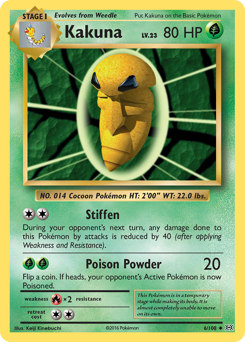
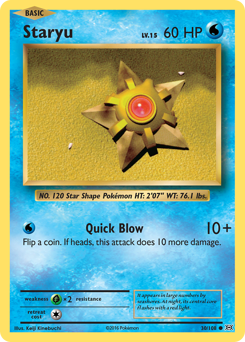
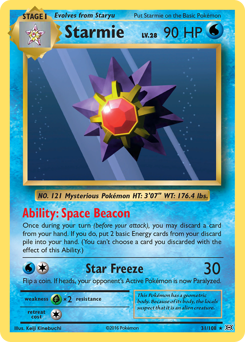
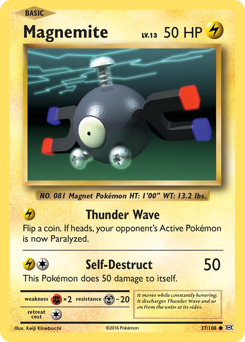
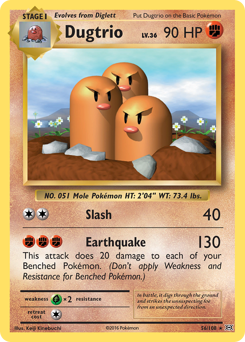
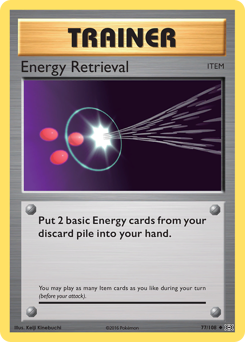
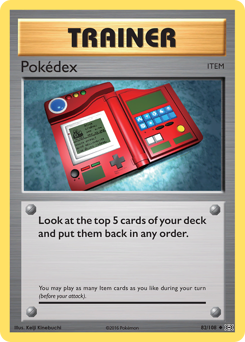
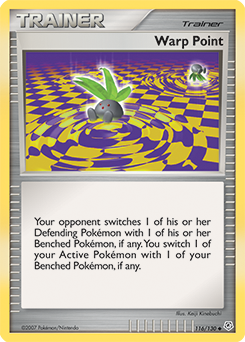
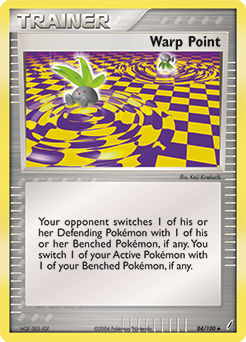
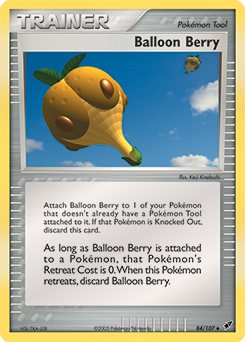
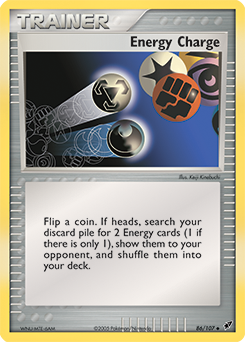
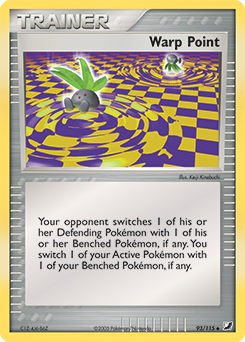
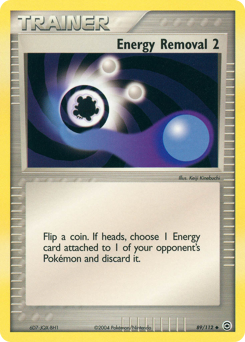
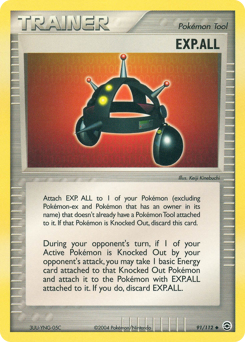
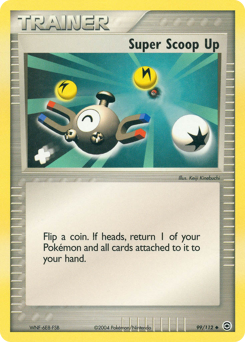
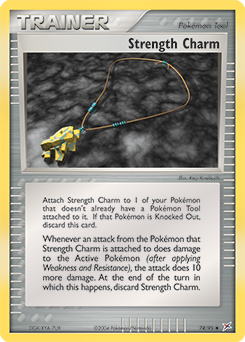
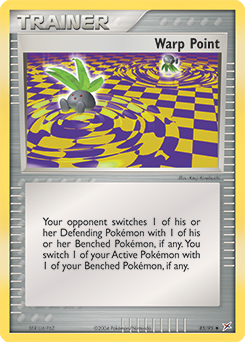
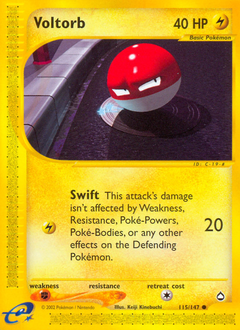
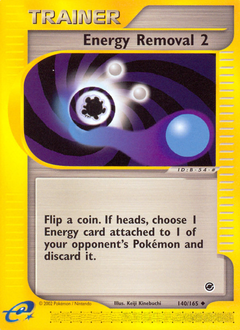
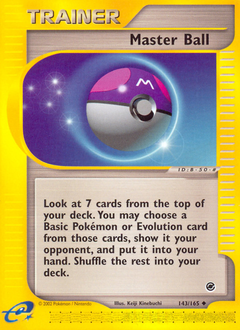
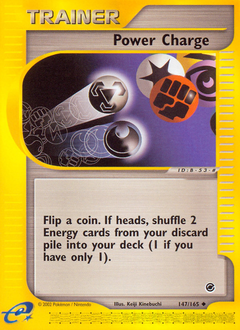
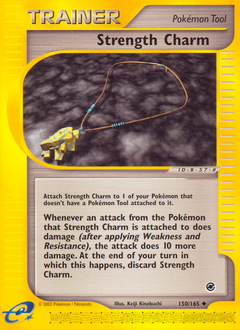
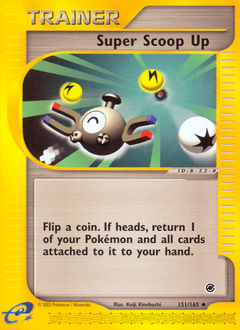
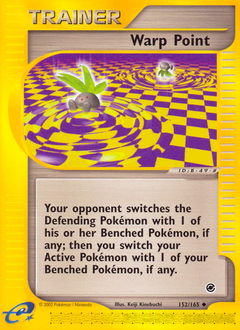
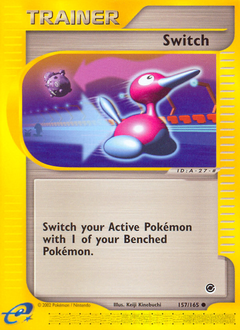
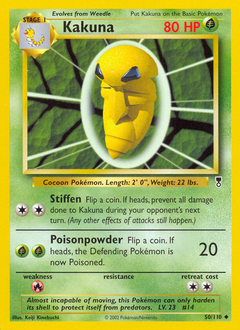
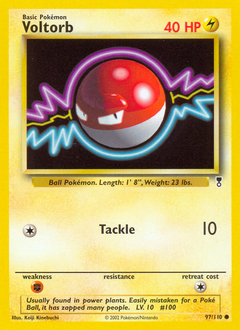
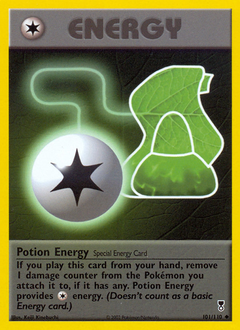
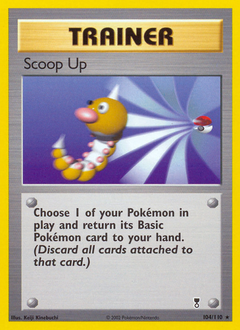
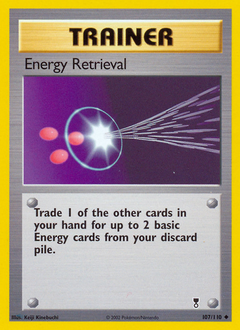
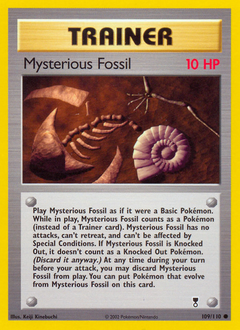
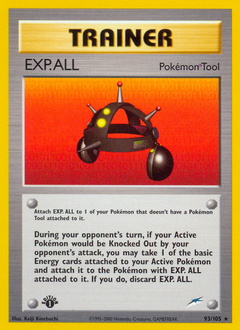
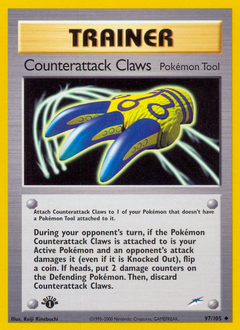
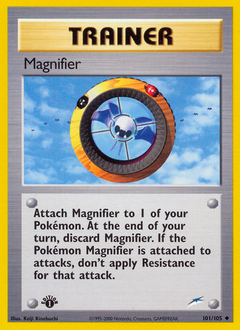
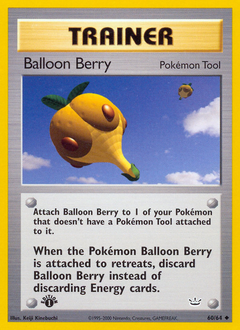
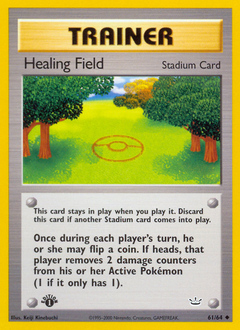
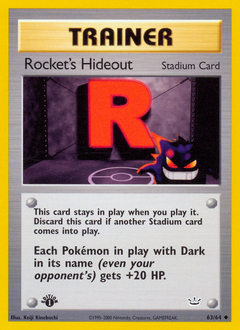
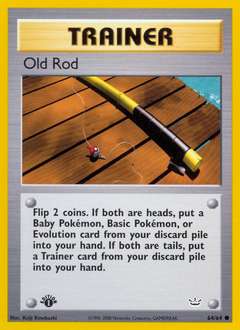
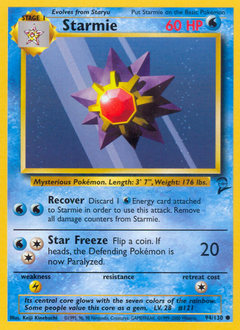
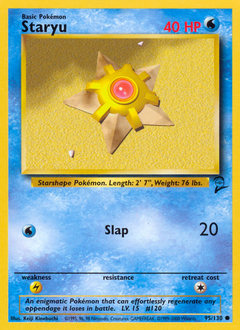
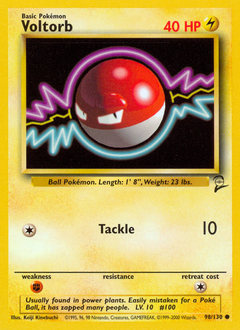
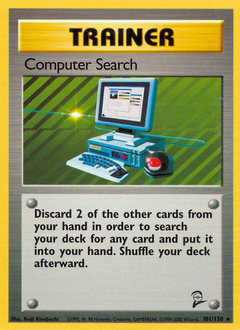
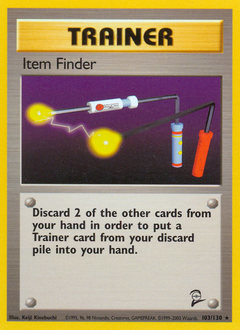
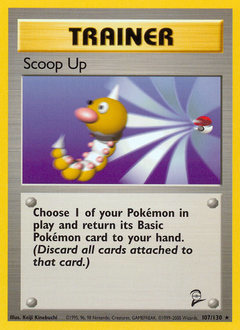
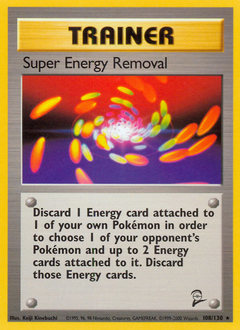
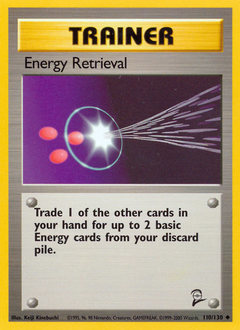
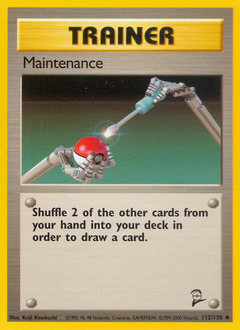
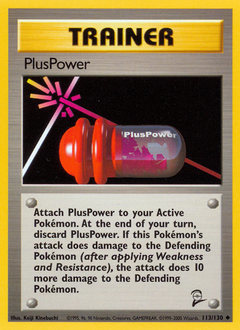
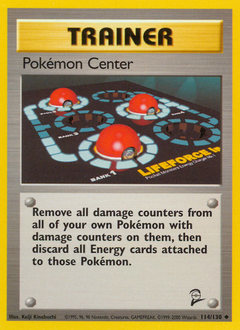
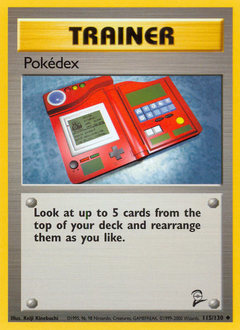
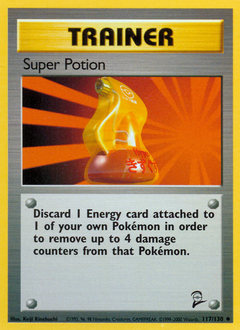
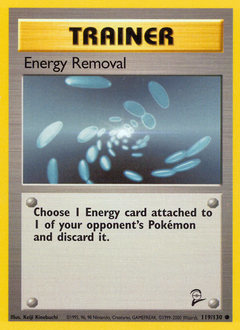
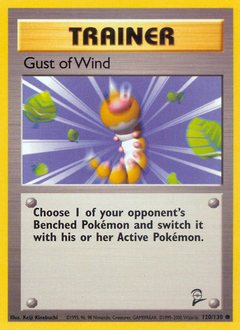
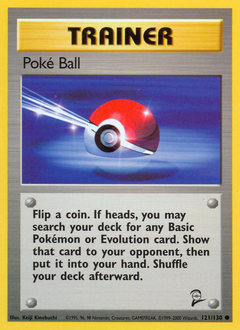
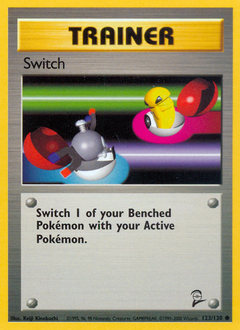
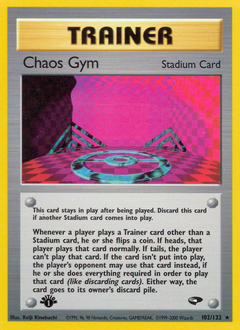
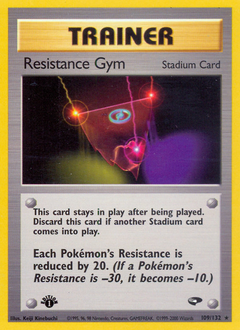
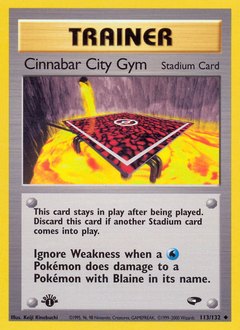
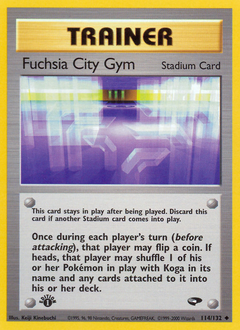
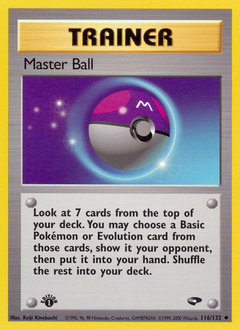
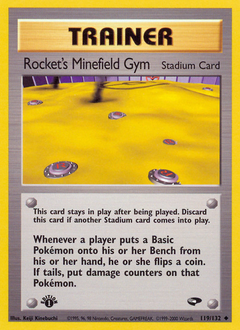
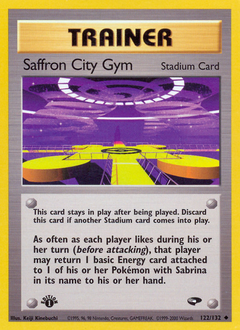
Kinebuchi joined the trading card project at Creatures Inc. in 1995, at the very start, and he worked in a way nobody else on the card game did: he built his images as 3D models in LightWave, then finished the lettering and touch-ups in Photoshop. Everyone else was drawing. That is the whole explanation for the look — the smooth grey Poké Ball, the flat studio lighting, objects sitting in no particular place. The software was young and so was the technique, and the result reads today like a still from a PlayStation cutscene. It is the most precisely dated art style in the hobby: you can place the era of a card from across a room by it.
He designed the energy cards
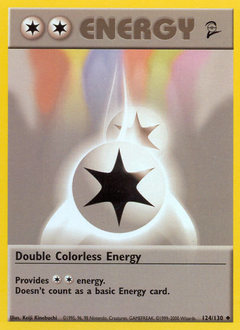
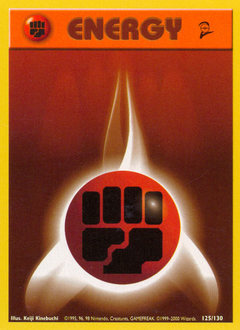
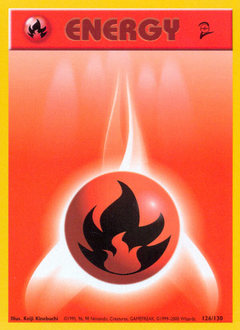
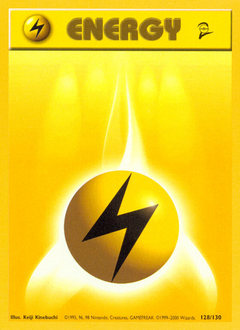
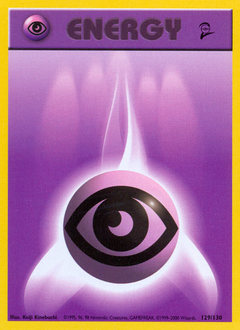
The most-printed illustration in the game is his. Every Basic Energy card of the original era — the plain coloured cards that came in every deck and every starter set and got shuffled into oblivion — came from Kinebuchi. Mitsuhiro Arita has said that he drew the energy symbols themselves, and that Kinebuchi designed the cards those symbols went onto. It is the least glamorous credit in the TCG and quite possibly the most reproduced piece of art in it.
Why Mitsuhiro Arita is a Pokémon artist
The two met on a computer bulletin board, years before anyone was thinking about card games. When the TCG went into development in late 1995 and it was still an open question what the illustrations should even look like, Kinebuchi introduced Arita to Tsunekazu Ishihara and recommended him — praising, by Arita's account, his ability in both 2D and 3D. Arita went on to draw the Base Set Charizard. It is a strange piece of history: the artist whose work defined how Pokémon cards look was brought in by the artist most people never notice.
Not just the Trainer cards
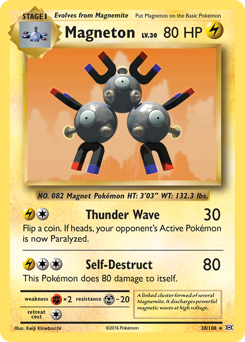
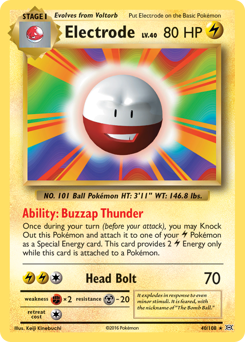
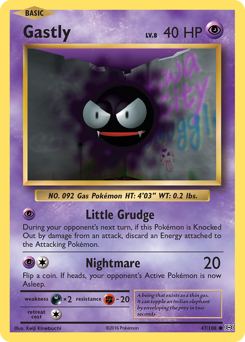
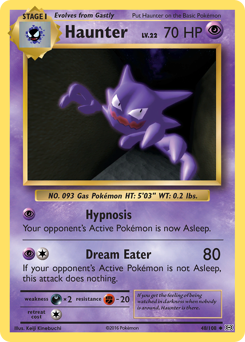
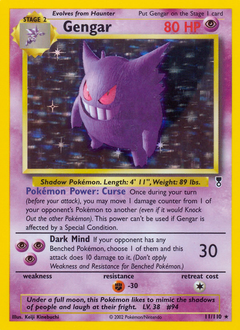
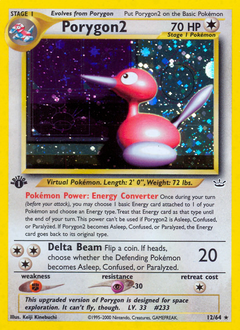
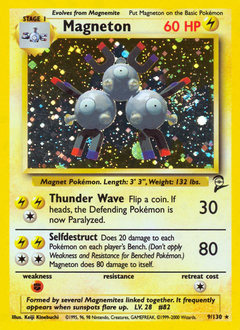
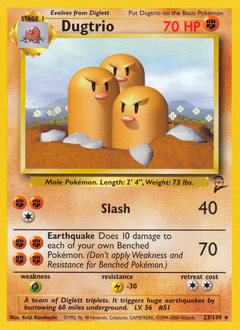
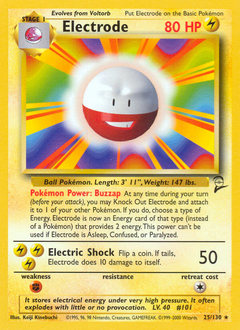
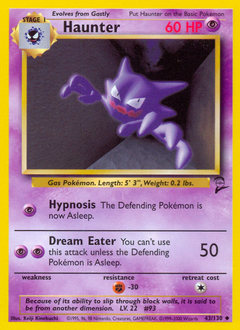
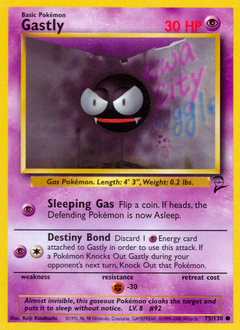
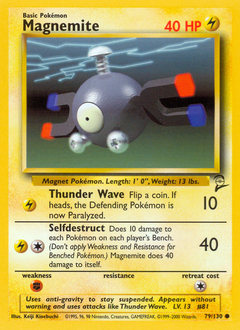
He is remembered for Trainers, and that is where most of his credits are, but the assumption that he only drew objects is wrong. Base Set Magneton, Gastly and Haunter are his. So are Fossil Gengar and the Fossil Ditto. Roughly ninety distinct cards carry his name across Base, Jungle, Fossil, Team Rocket, the Gym sets, Neo and into the e-Card era, and the Pokémon among them are worth seeking out precisely because they are the odd ones — living creatures rendered in the same patient, low-polygon way he rendered a bottle of Potion. His art has also gone on being reprinted long after he stopped making it — the card counts on this page run to 2018, which is Evolutions putting Base Set back into circulation sixteen years after his death.
The man behind the credit
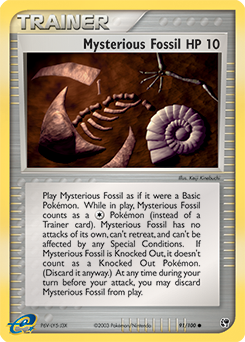
Very little about him was ever public, and what exists comes from a handful of Japanese book and magazine profiles and from things other artists have said since. He was born in Tokyo on 14 February 1956. He flew radio-controlled aeroplanes and played music — the trumpet on his days off, which he called the best way to relax. His favourite Pokémon were Jigglypuff and Lapras. The card he named as his own favourite of everything he illustrated was Mysterious Fossil, which is about as Kinebuchi a choice as exists: a rock, modelled carefully, sitting in the dark. He kept a cat named Kunya, named for him by Kagemaru Himeno. Of his own work he said simply: “I try to love the pictures I draw, so that other people will love them too.”
A death that went unannounced
Kinebuchi died in 2002, and for years almost nobody outside the industry knew. There was no announcement, no note in a set, no acknowledgement from the game he helped start; his credits simply stopped appearing on new cards and collectors assumed he had moved on to other work. It was Arita, his friend, who eventually made it public. The record is still thin — some accounts place the date slightly later, and no cause has been shared, which is his family's business and not ours. What is not in doubt is the size of what he left: the energy card in every deck ever built, the first 3D art the game ever printed, and the introduction that gave the TCG its most famous illustrator.