Why food is such a fun page
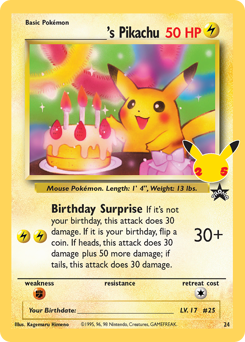
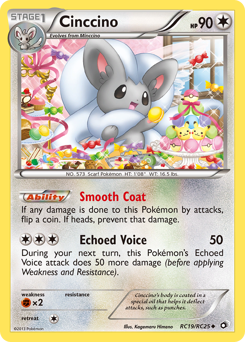
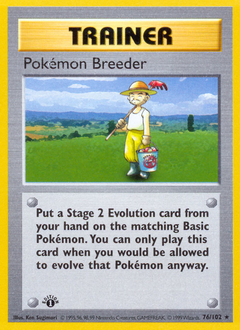
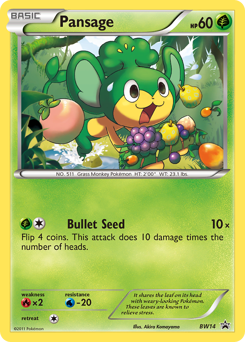
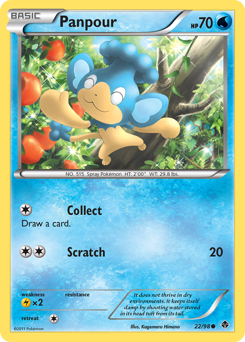
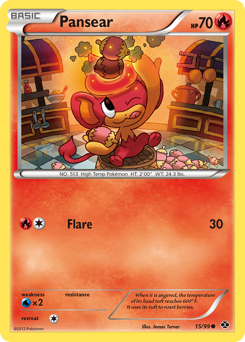
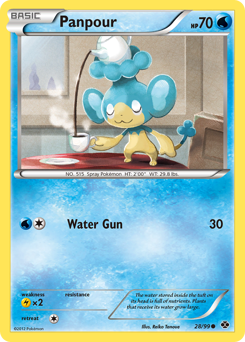
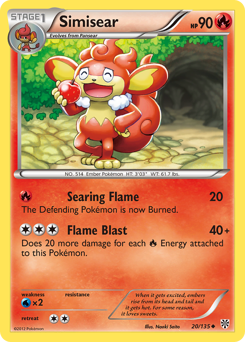
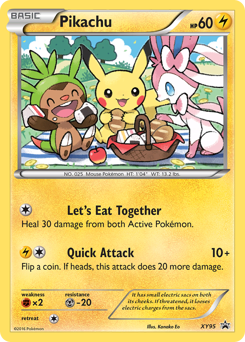
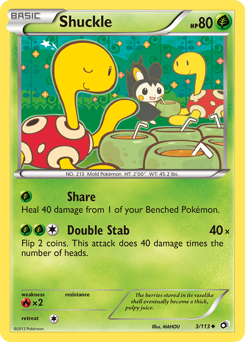
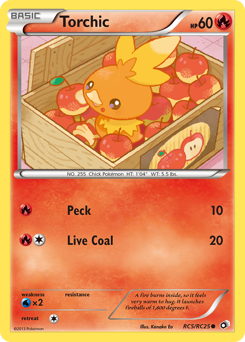
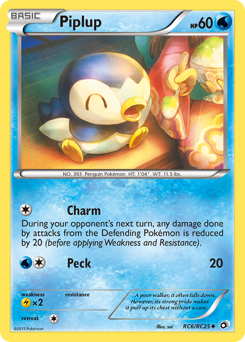
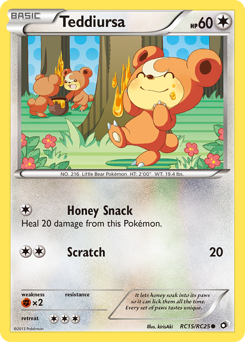
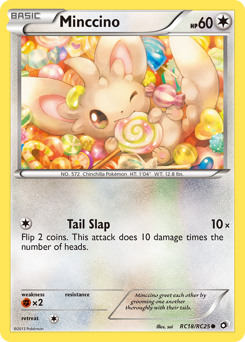
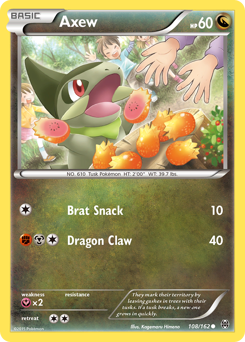
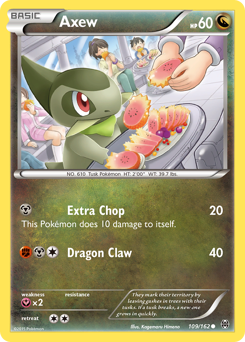
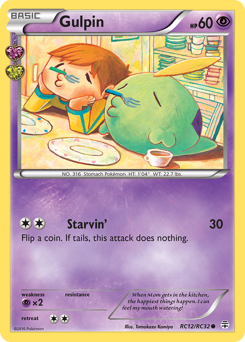
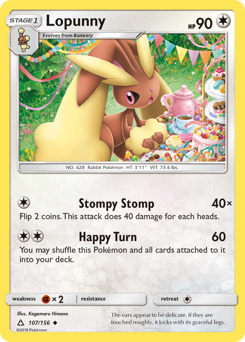
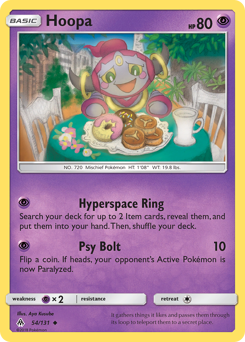
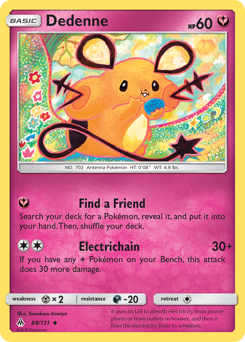
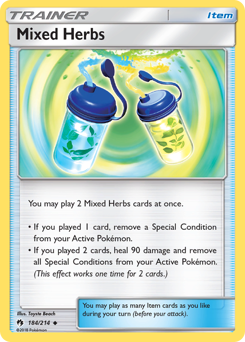
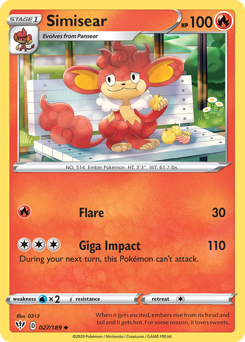
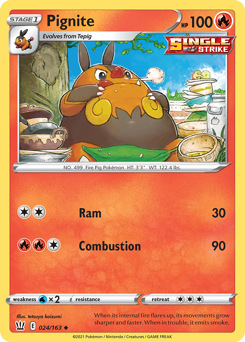
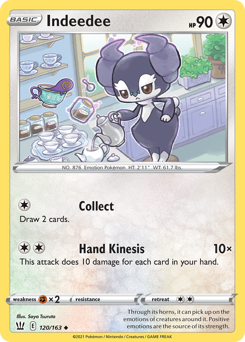
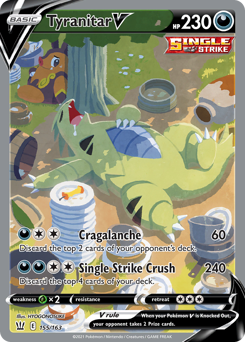
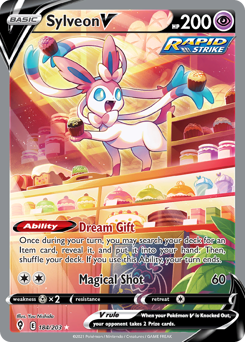
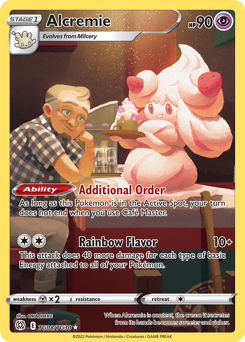
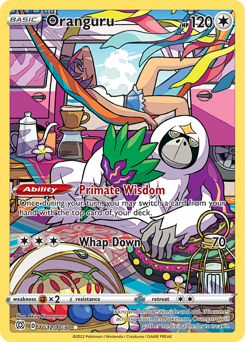
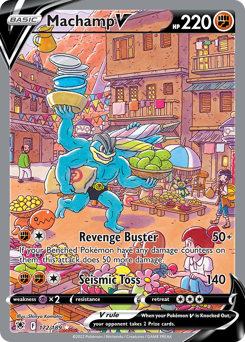
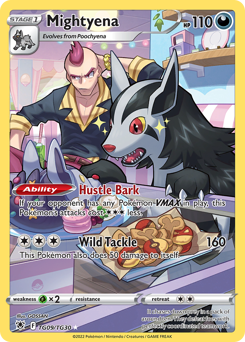
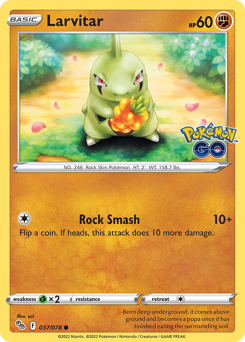
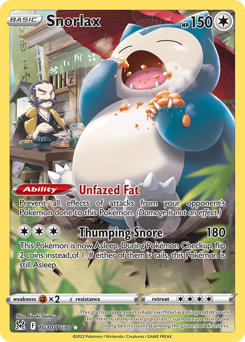
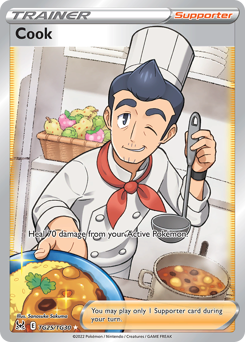
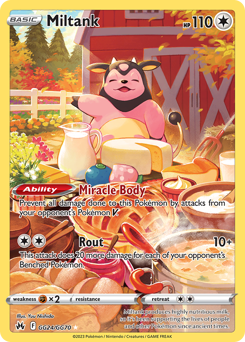
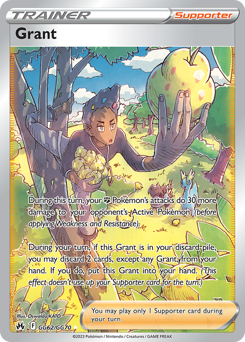
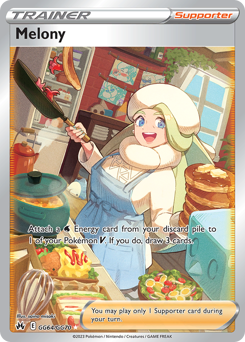
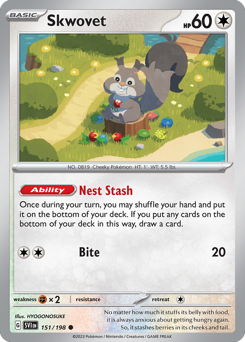
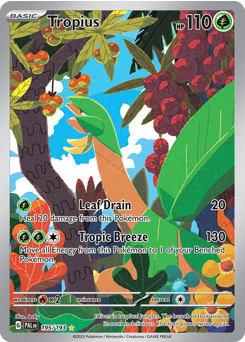
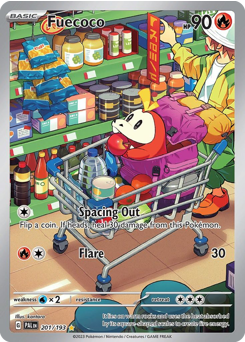
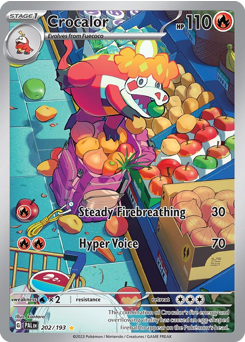
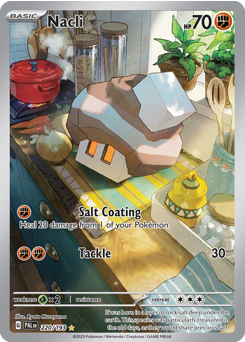
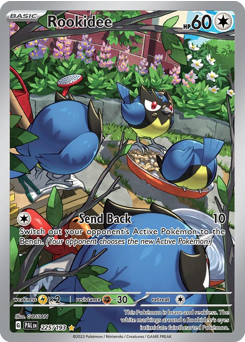
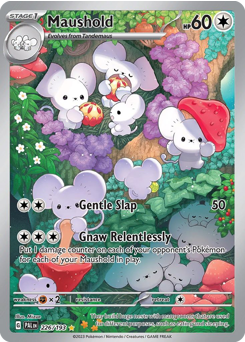
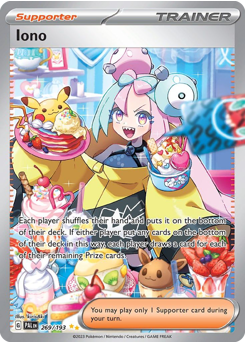
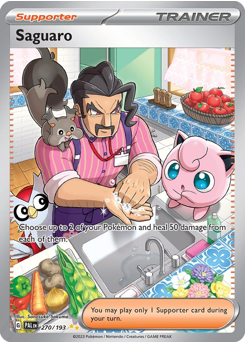
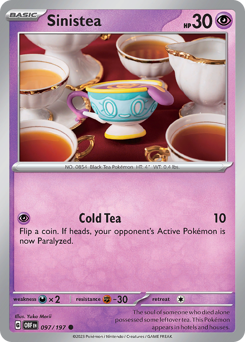
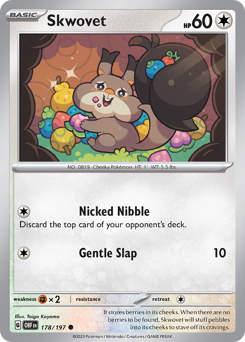
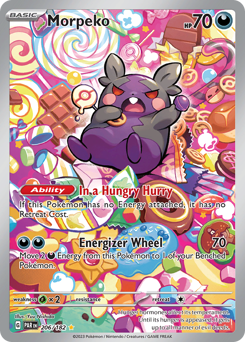
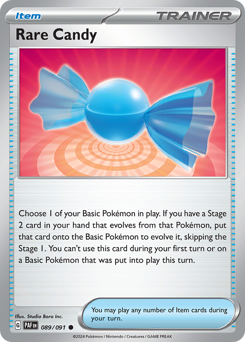
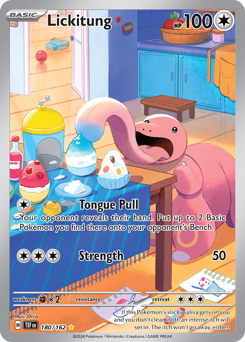
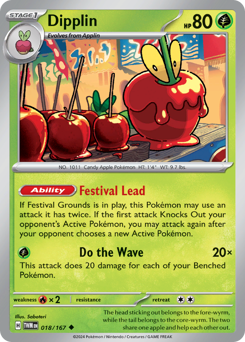
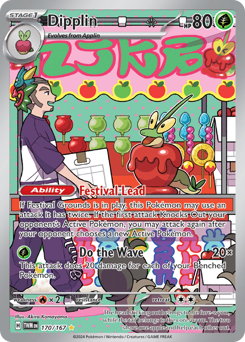
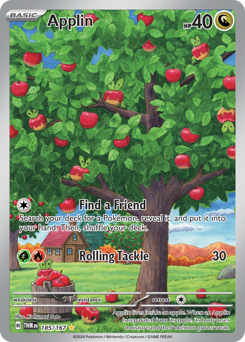
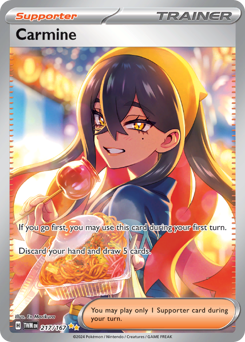
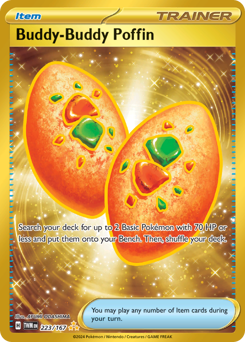
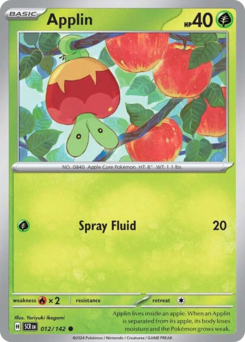
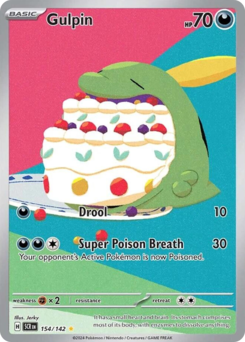
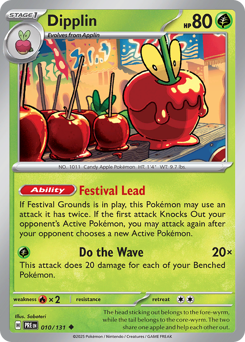
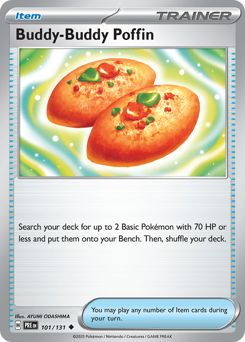
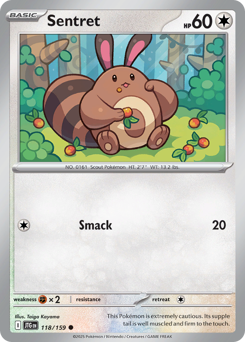
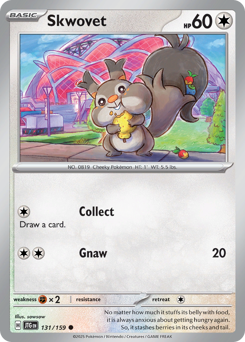
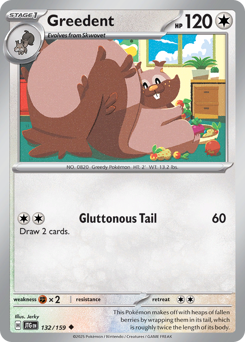
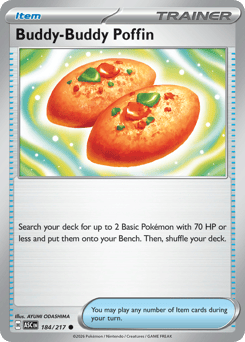
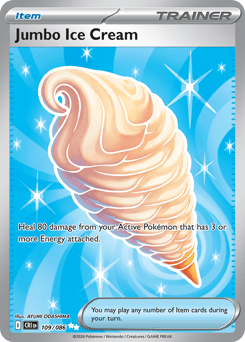
Search for "Pokémon food cards" and you'll get a mess of trainer supplies and gimmick promos. What you actually want is cards whose artwork shows food — a Pokémon nose-deep in a berry, a picnic spread, a scoop of something sweet — and that's a warmer, funnier hunt. Themed binder pages are collecting by motif instead of by set: you pick a subject and hunt cards whose art fits it. Food is one of the most playful motifs there is, because it's where illustrators loosen up. A card that just needs to show a Pokémon eating gives the artist permission to be charming, and they take it. A finished food page feels less like a checklist and more like a menu.

The food Pokémon are your backbone
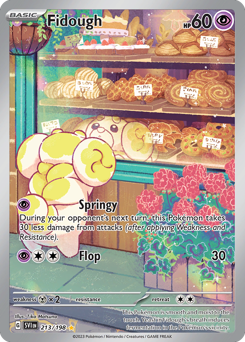
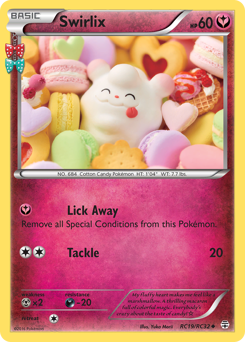
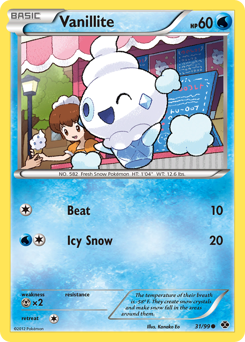
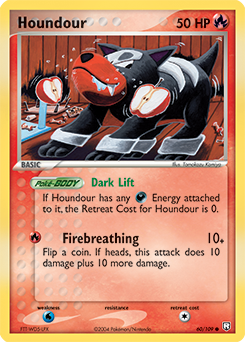
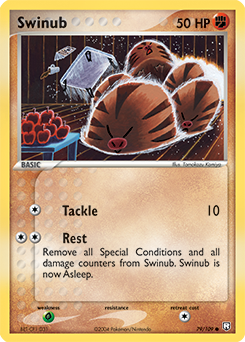
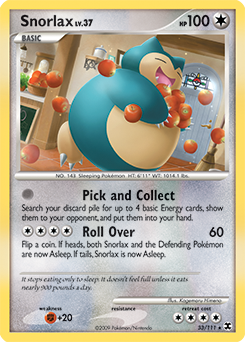
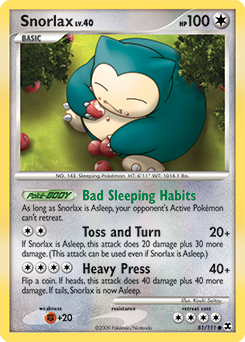
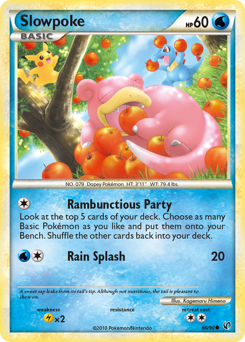
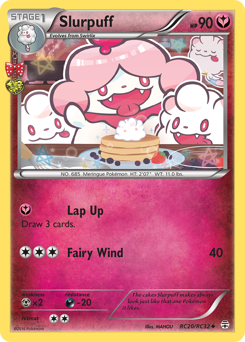
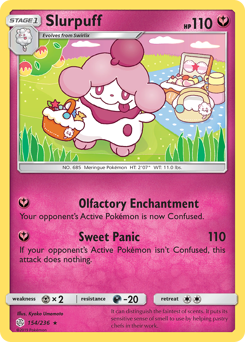
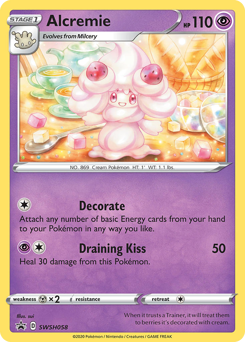
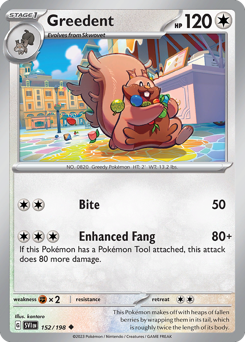
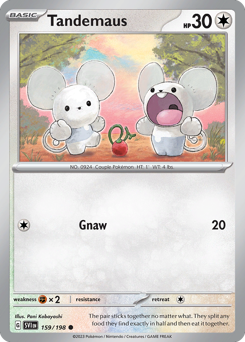
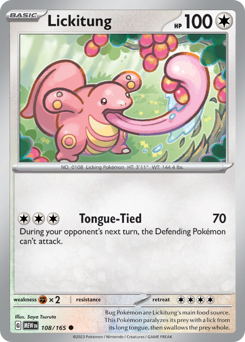
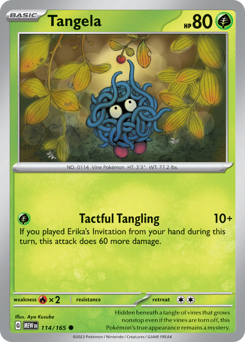
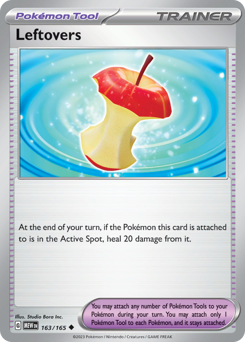
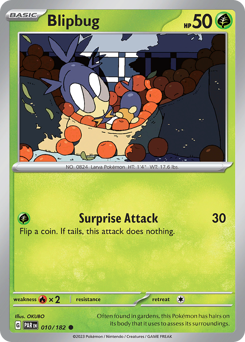
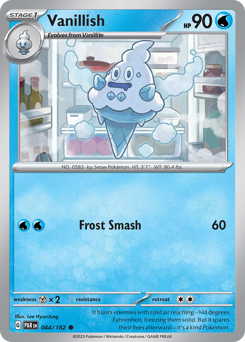
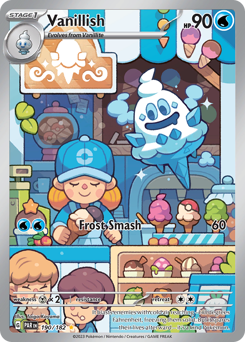
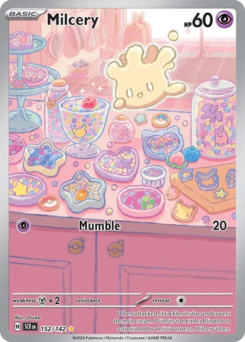
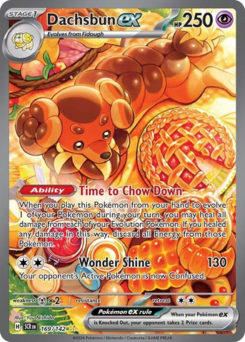
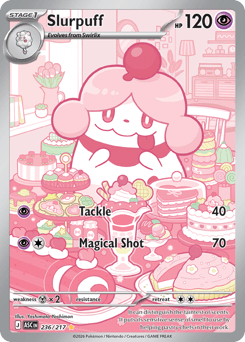
You get a head start here that most themes don't offer: some Pokémon literally are food. Alcremie is living whipped cream, Vanillite is an ice-cream cone, Slurpuff and Swirlix are spun cotton candy, and Fidough is a little ball of bread dough. Their cards come pre-themed — you barely have to squint. Build the spine of your page from those, then widen out. The best food cards aren't always the food Pokémon; they're any Pokémon caught mid-meal. Once you're looking for eating rather than for a species, the pool gets a lot deeper.
Berries, picnics, and a certain sandwich guy
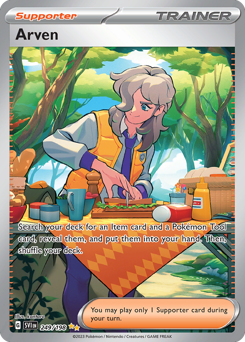
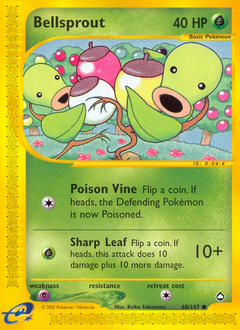
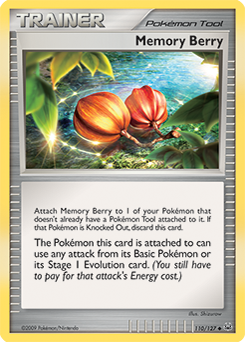
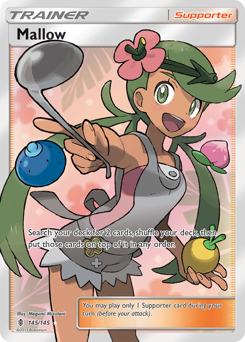
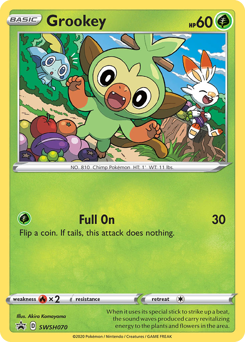
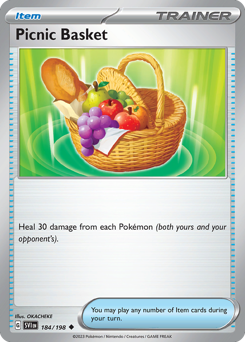
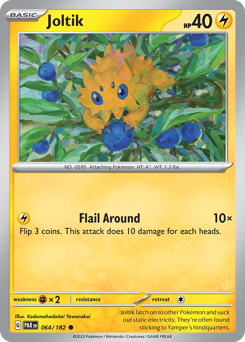
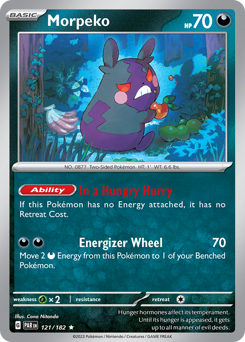
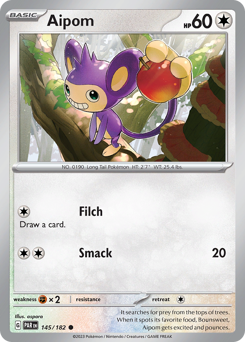
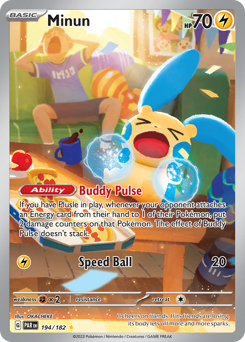
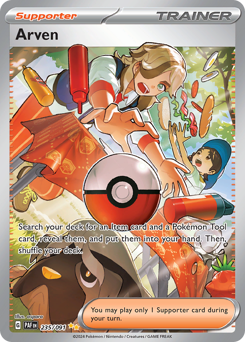
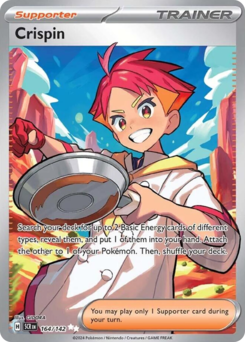
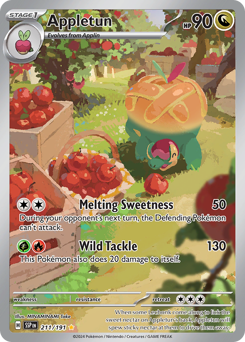
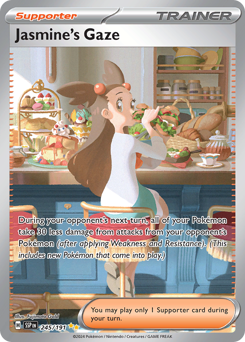
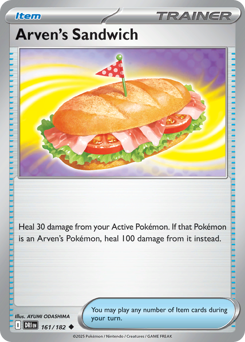
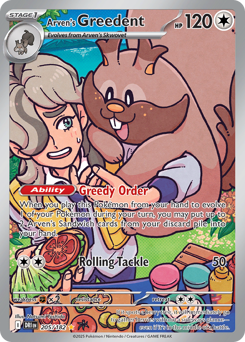
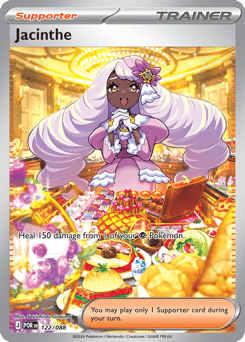
Berries are the oldest food motif in the game — they've turned up in card art since the early sets, a Pokémon holding or munching one — so they give the page real historical range. Newer sets lean into whole scenes: picnics, snack breaks, tables of shared food. And the character cards get in on it too. Arven, from the Scarlet and Violet era, is the trainer famous for making sandwiches, and cards that play on that give you a human-and-Pokémon meal moment the pure-species cards can't. Cast the net across berries, snacks, drinks, and characters and the page fills fast.
Laying it out: group by course
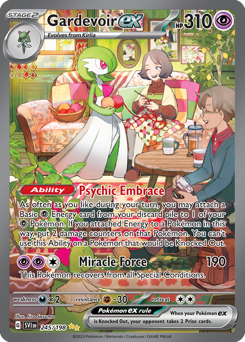
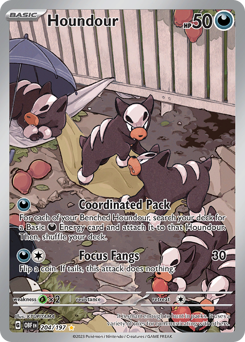
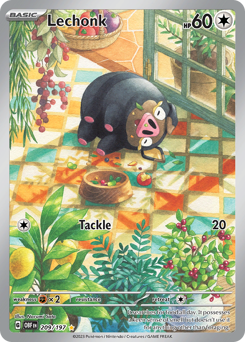
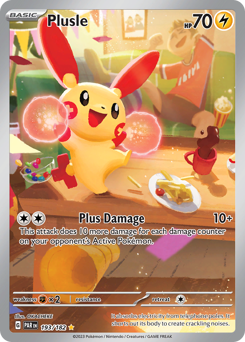
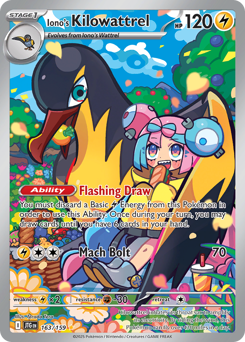
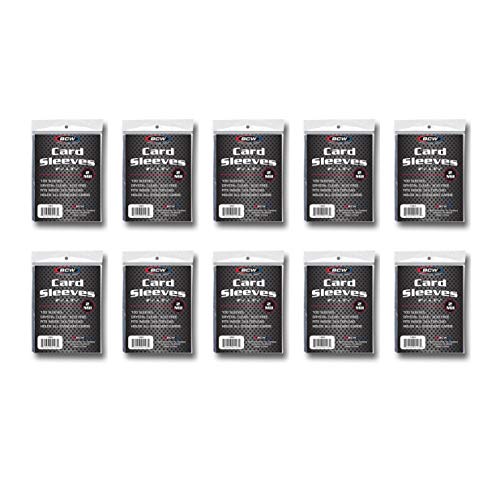
Food has a layout gag that actually lands. Sort your nine cards like a menu and flow them top to bottom: drinks and light snacks across the top row, mains and hearty scenes in the middle, desserts and sweets along the bottom. The grid reads like a plated meal, and the joke pays off the second someone else sees it. Center your most detailed full-art as the hero dish and ring it with the smaller framed-art commons — little plates around the main course. Use clear or perfect-fit sleeves so the art stays crisp, and a side-loading page so nothing slides out mid-flip.
Finding candidates (and pairing them)
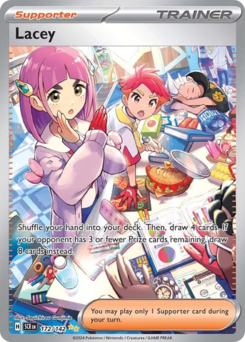
Listings won't be tagged "food," so you find these by looking, not searching. Browse set galleries and artist pages and watch the backgrounds and the Pokémon's hands — once you're tuned to it, snacks and berries jump out everywhere. This is also a page that wants company, so it's a natural fit for the scrapbook crowd: pair it with recipe-card memorabilia, a strip of food-print washi tape, a menu or a wrapper from a real meal. The point of a page like this isn't set completion. It's a small, warm thing you built on purpose — and it happens to make people hungry.