Why a ruins page works
Themed binder pages are collecting by motif instead of by set — you pick a scene and hunt cards whose artwork fits it. Ruins might be the most story-rich motif there is, because the Pokémon world is genuinely full of archaeology: the Ruins of Alph in Johto, Relic Castle buried under Unova's desert, sunken temples, and a whole species — the Unown — that exists as living ancient script. Illustrators love crumbling stone for the same reason filmmakers do. It gives a scene scale and time at once: whatever is standing in the frame, the ruin says something bigger was here first. A finished ruins page doesn't read like a card collection. It reads like an expedition log.

Start with the Unown
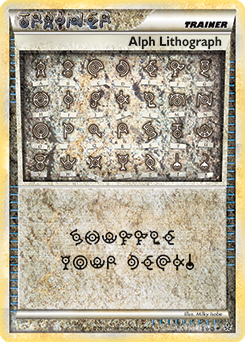
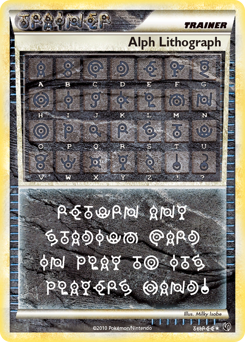
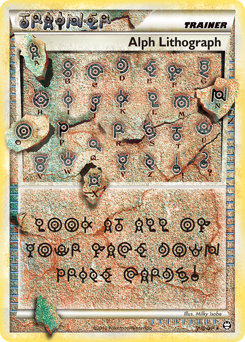
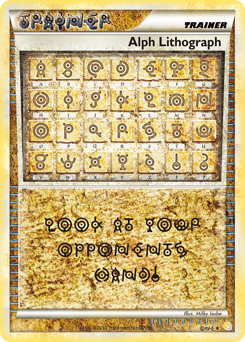
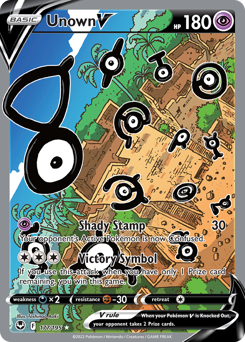
One line of cards anchors this whole theme. The Alph Lithographs are secret rares from the 2010 HeartGold & SoulSilver era — one per set across four sets, all illustrated by Milky Isobe — and each card simply is an artifact: a slab of weathered stone with its rules text carved in Unown script. No Pokémon, no battle, just the tablet. They've become genuinely expensive (roughly $90–130 each these days), but a nine-pocket page only needs one, and any of the four versions does the job. Around it, Toshinao Aoki's Unown V from Silver Tempest is the natural companion — the whole alphabet drifting loose over a sprawling sandstone complex, like the ruins' own writing escaping the walls.
Guardians and what they guard
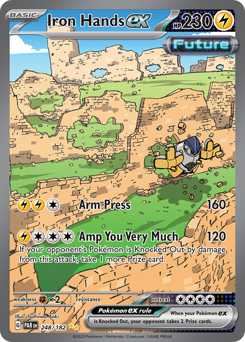
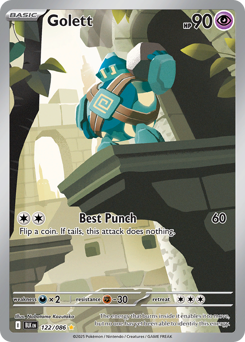
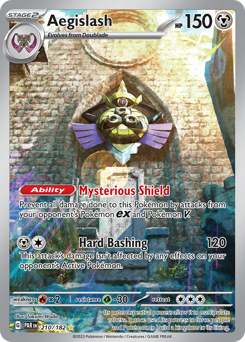
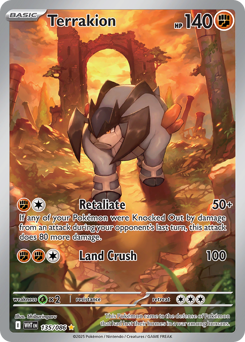
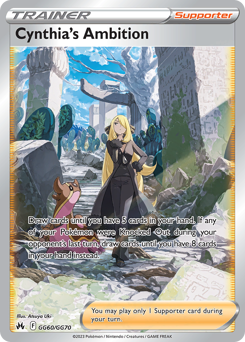
The best ruins cards put something on watch. Golett is the motif's native sentry — the Pokédex says it was built by a civilization nobody remembers, and Nabatame Kazutaka's Black Bolt art has it standing a crumbling parapet, still doing the one job it was made for. Aegislash is an ancient artifact itself, a soul living in an old sword, posted in front of a moss-eaten temple wall in Takumi Wada's Paradox Rift art. Terrakion guards a fortress carved into a canyon — fitting for the legendary that sheltered Pokémon when human castles burned. And for the human side of the expedition, Cynthia's Ambition from Crown Zenith puts the Pokémon world's most famous myth-researcher calmly walking a field of broken monoliths.
The sunken wing, and the rule
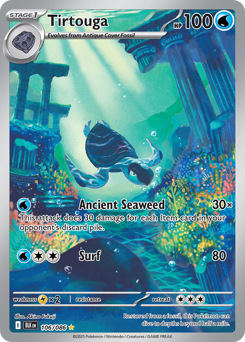
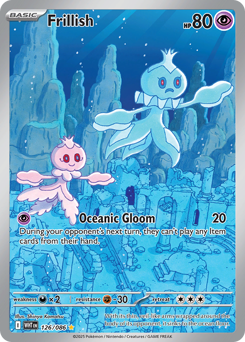
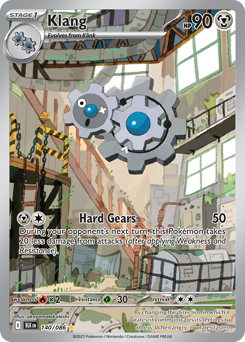
Some of the strongest ruins art isn't on land. Akino Fukuji's Tirtouga glides between drowned classical columns with light shafting down from the surface, and Shinya Komatsu draws a pair of Frillish drifting through an entire coral-crusted city — fossil and ghost, both at home in places the map forgot. Which raises the one call you have to make up front: what counts as a ruin? A strict page holds to ancient, built, abandoned — carved stone, not just rocks. A looser rule is "places people left," which opens the door to modern decay like Klang's abandoned factory from Black Bolt, all rust and broken windows. Both reads work. Pick one and hold it across all nine slots so the page feels intentional.
Laying it out: the dig site
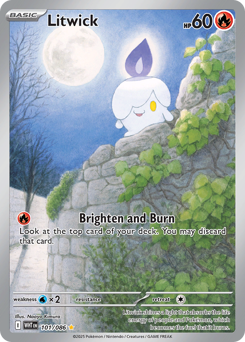
This page wants to be arranged like a cross-section of an excavation. Sky and overview along the top row — the Unown swarm, the monolith field. Surface level in the middle: guardians at their posts, the fortress, the candle on the wall. The sunken wing across the bottom, where the light gets blue and the columns go underwater. Set the Alph Lithograph dead center like the recovered artifact in a museum case; everything else on the page is the site it came from. Use clear or perfect-fit sleeves so the stone texture and carved script stay sharp, and a side-loading page so the expensive slab never slides out. If the Lithograph is out of budget for now, leave the center pocket empty — an unexcavated slot is very much in theme.