Not every Pokémon card is drawn
Almost all Pokémon card art is painted or rendered on a computer — but a small group of artists work completely differently. They build the Pokémon as a real, physical object — sculpted, crocheted, or folded from paper — light it, and photograph it. The image on the card is a photo of something that actually exists. Once you know to look, you can't unsee it: the soft fuzz of yarn, fingerprints pressed into clay, the fold lines of paper. These are some of the most charming and overlooked cards in the whole hobby.

Yuka Morii — sculpted in clay
Yuka Morii is the most famous of the handmade artists. A professional clay modeler, she has illustrated 200+ cards since 2001 — and every one is a clay miniature she sculpts, paints, poses, and photographs in a tiny set. Her Pokémon sit in grass, on wood, or in little dioramas rather than dramatic battle poses, which gives her cards a calm, storybook feel. Look closely and you can often spot real clay texture and fingerprints — proof a human hand shaped every card.
Asako Ito — crocheted in yarn
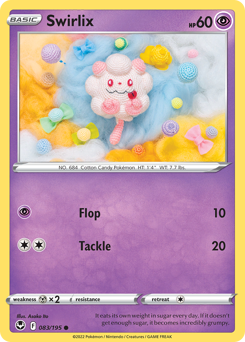
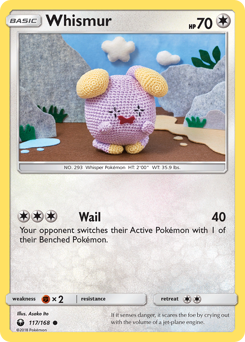
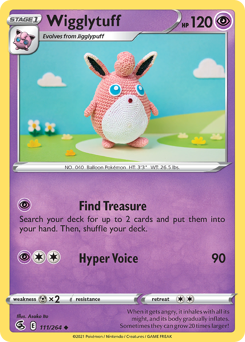
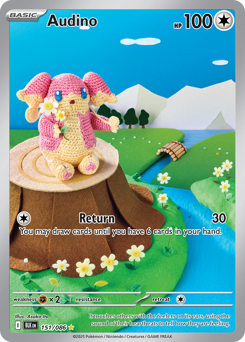
Asako Ito's cards are made of yarn. Each Pokémon is a real amigurumi — a crocheted figure she makes by hand — then photographed for the card. They're soft, huggable, and utterly unlike anything else in a binder, which is exactly why they've become cult favorites. She's worked on the TCG since the Sun & Moon era, with crochet cards turning up in sets like Celestial Storm and Silver Tempest.
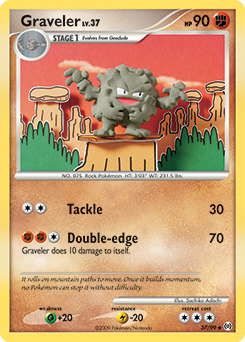
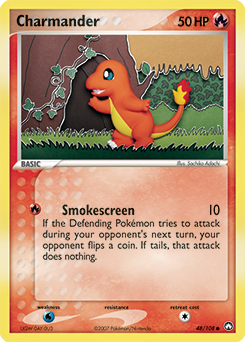
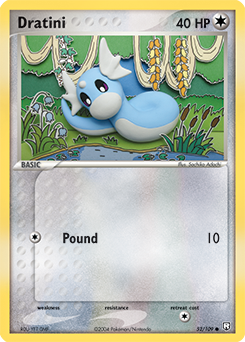
Sachiko Adachi — clay models in paper worlds
The TCG's other clay-style artist, Sachiko Adachi, is often mistaken for Morii — but her work is its own thing. Her Pokémon appear as flat, sculpted clay-like models staged inside handmade papercraft environments. She's been doing it since EX Team Rocket Returns in 2004, and most collectors have no idea there's a second clay artist hiding in their binders.
Other artists who break the mould
Even among the artists who do draw, a few are unmistakable. Tomokazu Komiya's cards look like nothing else — Pikachu and the Eevee line rendered with a totemic, almost primitive energy. Raita Kazama works in a style reminiscent of stained glass, with bold outlines and richly textured shading. They're a reminder that behind the holo flash, the TCG is a genuine showcase of wildly different artists.
How to spot — and display — them
Finding these cards is half the fun: check the artist line at the bottom of any card, or browse by artist. Because the handmade cards look so different, they make a fantastic themed binder page — a spread of clay, crochet, and papercraft Pokémon is a guaranteed conversation-starter. Slot them in acid-free pages so the photographed textures stay crisp, and you've got one of the most distinctive pages in your collection.