The short answer
Yes — a binder is a perfectly safe long-term home for Pokémon cards, as long as two things are true: the pages are acid-free and PVC-free, and the binder's rings never touch your cards. Get those two right and a binder protects cards better than a loose stack or a shoebox ever will. Get either one wrong and the binder itself slowly becomes the thing damaging your collection.

The two things that actually damage cards
Almost all binder damage comes from one of two sources. The first is PVC pages, which off-gas plasticizers over time and gradually cloud, haze, or even stick to the surface of your cards. The second is ring contact — round O-ring binders push the metal rings right up against the inner pockets, leaving dents and indentation marks on the cards nearest the spine. Avoid both and you've eliminated the vast majority of binder horror stories.
Why PVC pages cloud cards
PVC (polyvinyl chloride) is cheap and clear, which is exactly why bargain pages use it — but it isn't chemically stable. Over months and years it releases plasticizers that migrate onto whatever they touch, leaving a foggy film on the card surface that you can't always wipe off. The damage is slow and invisible at first, which is what makes it dangerous: by the time you notice the haze, it's already happened. Always buy pages explicitly labeled PVC-free and acid-free.
Ring dents and how to avoid them
On a round-ring (O-ring) binder, the rings sit close to the pages, so the cards in the innermost column press against metal every time the binder is closed and stored. The result is small, permanent dents along the card edges nearest the spine. The fix is a D-ring binder: the flat side of the D holds pages away from the curved ring mechanism, leaving a safe gap between the rings and your cards. If you only change one thing, make it this.
Humidity, light, and heat
Beyond pages and rings, treat cards like any paper collectible. Keep binders out of direct sunlight (UV fades ink over time), away from heat sources and damp basements, and ideally in a stable room-temperature spot. A zip-up binder adds a layer of protection here too — it keeps dust and humidity out and, just as importantly, stops cards from sliding free if the binder is ever dropped or carried.
Are cheap binders okay?
An inexpensive binder is fine for bulk and play cards you're not precious about — there's no need to over-protect a stack of commons. The calculus changes with value: for holos, chase cards, and anything graded-worthy, the cost of good acid-free pages and a D-ring binder is trivial next to the cards they protect. Spend in proportion to what's going inside.
For valuable cards, double-sleeve first
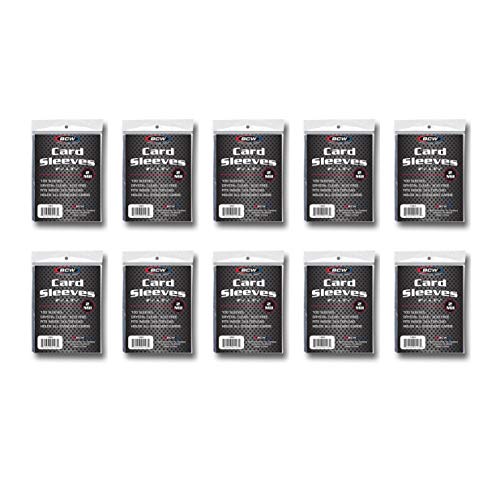
For your most valuable cards, add a layer before the binder ever sees them: a snug penny sleeve inside a fitted card sleeve, then into a side-loading pocket. Double-sleeving guards against surface scratches and edge wear from going in and out of pockets, and it gives expensive cards a buffer that a single page alone can't. Just confirm your pockets are deep enough to hold the extra thickness comfortably.
What to buy
The safe combination is simple: acid-free, PVC-free, side-loading 9-pocket pages in a zip-up D-ring binder. That setup keeps the chemistry stable, the rings off your cards, and everything sealed in if the binder takes a tumble. Look for pages that spell out 'acid-free' and 'archival-safe' on the label rather than just 'clear,' and you're set for the long haul.