Match the protection to the card
You don't protect a 10-cent common the way you protect a chase card — but every card wants at least a sleeve. Think of card protection as a stack of layers you add as a card gets more valuable: a sleeve for everything, a rigid holder for cards worth displaying, a sealed double-sleeve for cards you want to keep mint, and a specific setup for anything headed to a grader. Here's each tier and exactly when to stop adding layers.
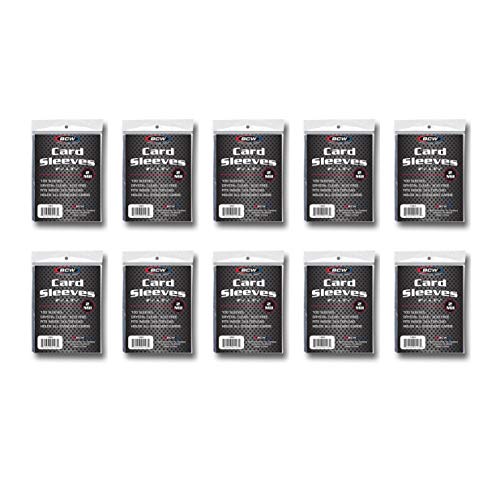
Tier 1 — Sleeve everything: penny sleeve → binder
The baseline for any card you're keeping: a soft penny sleeve, then into a side-loading binder page. The sleeve stops the card from rubbing the pocket plastic and picking up fingerprints; the side-loading page keeps it from sliding out when the binder stands upright. This is all most of a collection ever needs. (For which sleeve and which binder, see our sleeves and binder guides.)
Tier 2 — Rigid protection: penny sleeve → toploader
For a card you want to handle, trade, or display — anything that shouldn't bend — add a rigid toploader over the penny sleeve. Always sleeve first: a card dropped bare into a toploader rubs against the hard plastic. Toploaders go great in a dedicated toploader binder for a display page of your best pulls. One caution: inspect new toploaders for stray plastic shavings before you insert a card, since some brands shed bits that can scratch.
Tier 3 — Seal it: double-sleeve (perfect-fit + penny)
To keep a card truly mint against dust and humidity, double-sleeve it: a snug perfect-fit inner sleeve plus a penny or deck sleeve outer. The trick is that the inner goes in UPSIDE-DOWN (its opening at the bottom) so the card ends up sealed on all four sides. Use a clear inner if you might ever grade or sell, so the back is readable without taking it apart. (Full step-by-step in the sleeves guide.) Double-sleeved cards still drop into a binder page or a toploader from here.
Tier 4 — Long-term / archival storage
For cards stored rather than displayed, two rules protect them for years: store sleeved cards UPRIGHT on their edge in a storage box (not stacked flat, where weight presses them), and shelve binders spine-up like books — never stack binders flat. Keep everything out of direct sunlight and away from humidity and heat, which fade ink and warp cards regardless of how they're sleeved. A simple acid-free storage box plus this habit beats an expensive setup used carelessly.
Tier 5 — Grading-ready (do this differently)
Cards headed to a grader use a specific setup — and notably NOT a toploader. Put the card in a penny sleeve, then a semi-rigid 'card saver' (graders like PSA require semi-rigid holders, not rigid toploaders), then into a team bag or resealable sleeve. Crucially, don't perfect-fit a card you plan to grade: perfect-fit sleeves can vacuum-seal to the card, and removing one — especially on an older card — risks damage or even forces you to cut it off. For grading, penny sleeve + card saver is the move.
One-touch (magnetic) cases
For a single trophy card you want to show off, a magnetic 'one-touch' case is the premium display option — rigid, crystal-clear, and screw-free. Classic one-touches fit a card in a perfect-fit sleeve only (a penny sleeve is too bulky and can bend the card forcing it in); the newer Ultra Pro One-Touch X is sized to fit a standard deck sleeve. For your single best raw card, a one-touch on a shelf is hard to beat — though genuinely valuable cards are still safest professionally slabbed.
Quick reference by card value
Bulk / commons you're keeping: penny sleeve → binder. A card worth a few dollars you'll handle: penny sleeve → toploader. A card you want kept mint: double-sleeve, then binder or toploader. Your single best display card: one-touch case (or slab it). Anything going to a grader: penny sleeve → card saver → team bag (never a toploader, never a perfect-fit). And the rule under all of it: sleeve first, every time — it's the cheapest protection there is.


