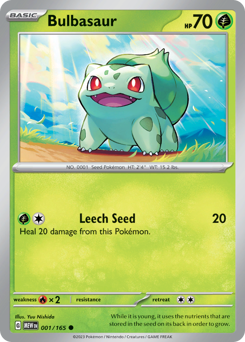
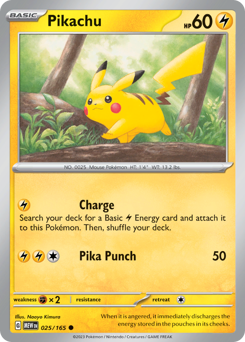
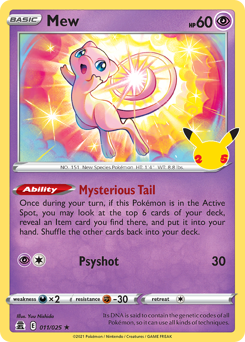
What a Living Pokédex is
A Living Pokédex is a binder with one card for every Pokémon species, arranged in National Pokédex order. It turns your collection into a checklist you can see at a glance — flip to any page and the gaps are obvious. It's the most popular completion-style theme because the goal is so clear, and because every single card you add is progress toward a finite, well-defined finish line.

Pick your scope first
Trying to slot all 1,025 Pokémon at once is the fastest way to quit. Instead, scope it down: start with a single generation you love — the original 151 (Kanto) is the classic choice — or a single region, and complete that before expanding. A generation fits neatly into part of one binder, gives you a real sense of completion, and keeps the want-list short enough to stay motivating.
Set your card rules
Decide what 'counts' before you start, because consistency is what makes the binder look intentional. Common rules: any card of a species counts; or only the cheapest available card; or only base-rarity (non-holo) cards for a uniform look; or one specific era. Many collectors use a 'cheapest readily available card' rule, which keeps the project affordable and fast to fill while leaving room to upgrade favorites later.
Track it so you actually finish
The hardest part of a Living Pokédex is knowing what you still need. Keep a checklist — mark off species as you slot them and carry a want-list when you shop. Our collection tracker does this digitally (tick off what you own per set and export a want-list), and printable placeholder cards let you reserve a pocket for a species you haven't found yet, so the binder stays in order while you fill the gaps.
Layout and supplies
Use a zip-up binder with side-loading 9-pocket pages so cards can't slip out as you flip through constantly. Leave the pockets in strict Dex order from the start — placeholder cards make this easy — so you never have to re-shuffle the whole binder when a missing Pokémon arrives. Browse the Pokédex to plan your scope, then start filling.