The most display-first binder there is
A rainbow binder throws out the rulebook. There's no set order, no Pokédex number, no rarity tiers — you arrange cards purely by color so each page (or two-page spread) reads as a single hue, and the whole binder flows red → orange → yellow → green → blue → purple → pink. It's collecting as decoration, and it's the format that made Pokémon binders go viral on TikTok and Pinterest.

What counts as a card's color
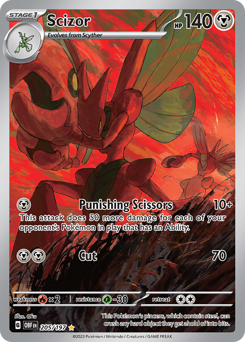
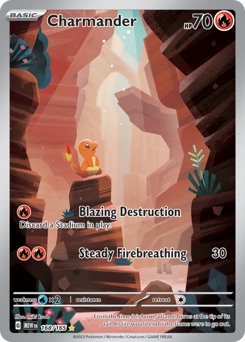
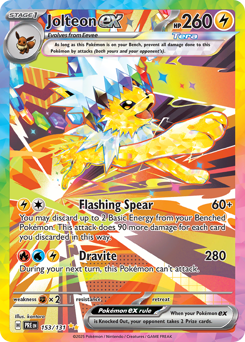
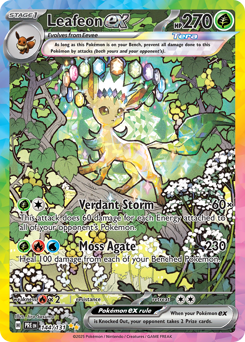
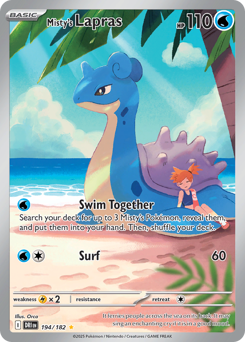
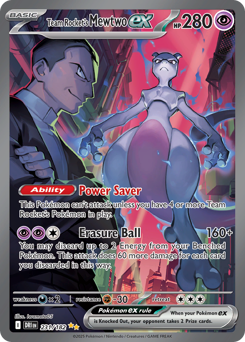
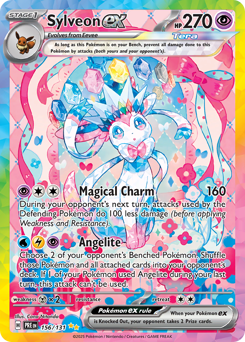
You have a few options, and most people mix them. The easiest is the card's dominant artwork color — a fiery red Charizard page, a deep blue water page. You can also sort by the card's type frame (Fire cards run red/orange, Grass green, Water blue), which gives you a built-in palette. Full-art and illustration-rare cards, with their painted backgrounds, are especially good rainbow material because the art fills the whole card.
How to sort and lay it out
Pull every card you want to display and physically group them into color piles before you sleeve anything. Within each color, arrange light-to-dark or by saturation so the page has a gradient even inside one hue. The transitions between colors are where it really sings — let a red page bleed into orange, orange into yellow. A layout planner helps you test arrangements before committing.
Supplies that make it pop
Use clear, side-loading 9-pocket pages so nothing distracts from the art, and a zip-up binder so the cards stay put when it stands on a shelf. Some collectors add washi tape or colored cardstock behind the pockets to push the theme further. The goal is a binder that looks like a piece of art when you flip it open.
Where to start
Start with one color you already have a lot of — most collectors have a stack of red/Fire or blue/Water cards — and build that single page first. Once one page looks great, the format is addictive. Browse the Pokédex by type to find cards in the colors you're missing.