The concept
Many Pokémon are designed after real animals, and a surprising number map to African wildlife — which makes for a bold, safari-toned themed page. The trick that makes it look like a curated wildlife collection rather than a random grab-bag is a tight curation rule: favor cards whose art shows the Pokémon in a natural, in-the-wild setting, and keep it continent-accurate. Done right, the page reads like a page out of a nature guide.

The curation rule
Two filters keep this page sharp. First, prefer art rares / full arts and cards set in the wild — a savanna, plains, or watering hole beats a city-background or studio portrait. Second, stay continent-accurate: a zebra and an ostrich belong; an Indian elephant (Copperajah) or a South American monkey (Aipom) breaks the theme. There's room to debate edge cases (is a lion Persian? is Madagascar 'Africa'?) — make your call and apply it consistently. The discipline is what makes it impressive.
Cards that fit (a starter checklist)
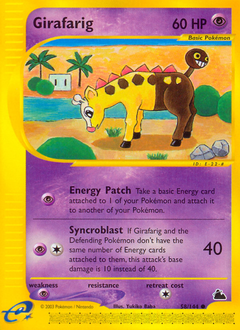
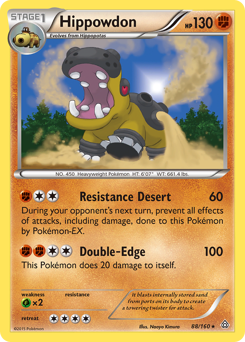
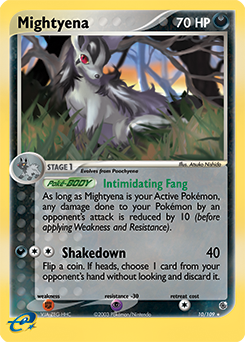
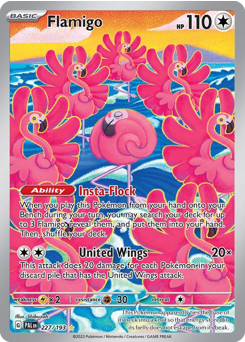
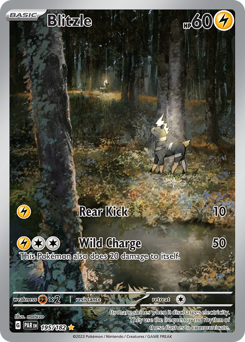
Strong picks named by collectors: Blitzle (zebra), Flamigo (flamingo), Relicanth (a coelacanth — a real fish off the South African coast), Hippowdon (hippo), Arbok (cobra), Espathra (ostrich), Mightyena and Poochyena (hyena), and Girafarig (giraffe). Looser-but-plausible additions if you want to fill the page: Rhyhorn/Nidoking (rhino), Sandile's line, and primate or big-cat stand-ins — just check each against your in-the-wild and continent rules. As always, name the Pokémon first, then go find the specific card with art you like best.
Laying it out
Aim for color and palette cohesion — warm savanna golds and browns make the nine cards feel like one scene. Anchor the page with your most dramatic art-rare in the center and surround it with the supporting animals. If you collect deep, split pre-evolutions onto one page and fully-evolved forms onto another. Clear or perfect-fit sleeves and a side-loading page keep the art clean and the cards secure.
Why it works
This page rewards knowledge and taste: anyone can collect a set, but curating Pokémon into a believable African-wildlife spread takes an eye. It's cheap (most fits are commons/uncommons), endlessly expandable (new sets keep adding animal-inspired art), and it's a genuine conversation piece. It's a perfect example of the themed-page style — collecting by motif, not by set — that makes a binder feel personal.