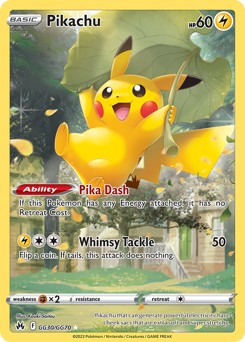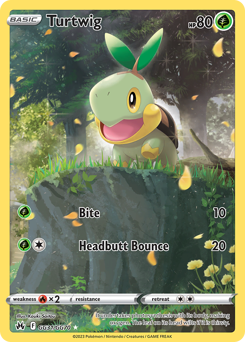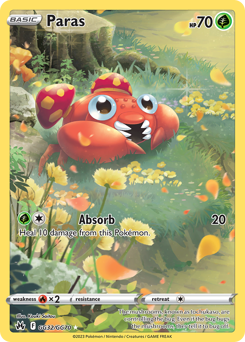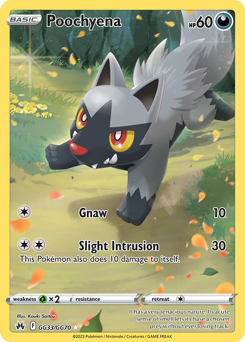
What "cards that connect" actually means
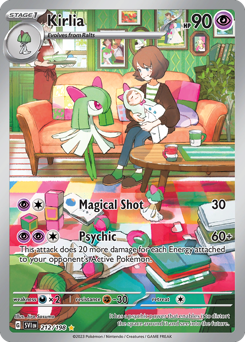
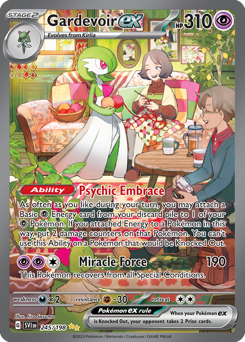
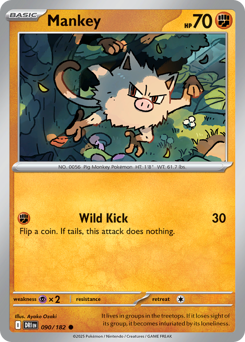
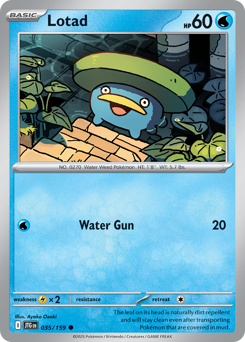
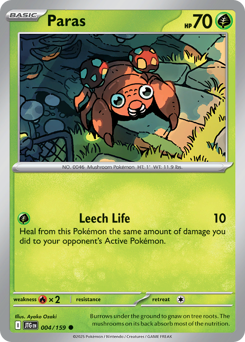
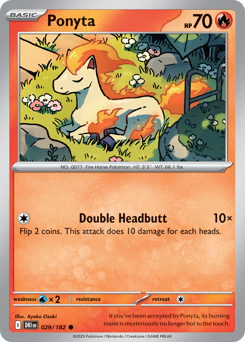
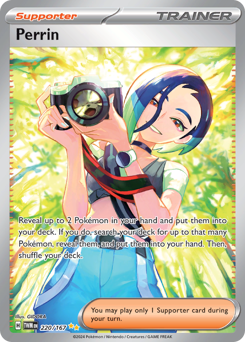
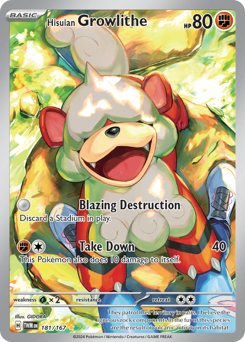
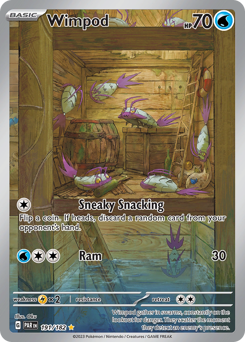
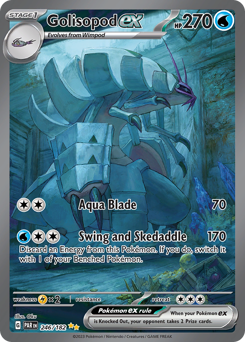
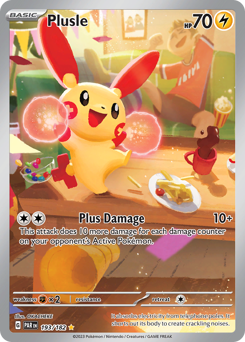
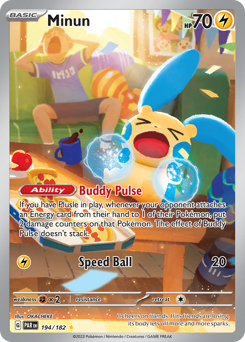
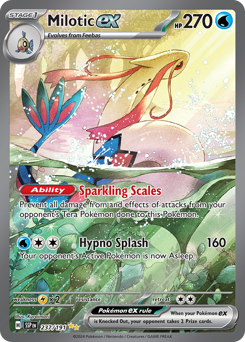
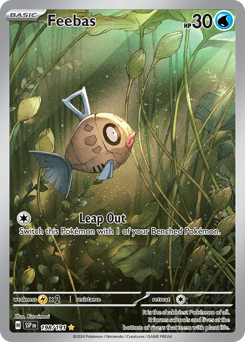
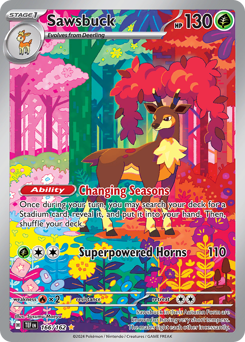
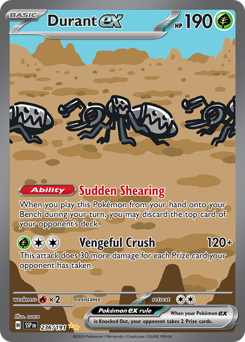
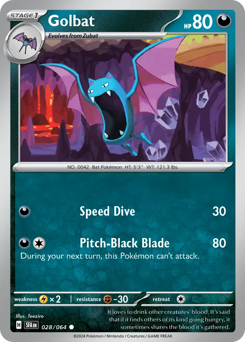
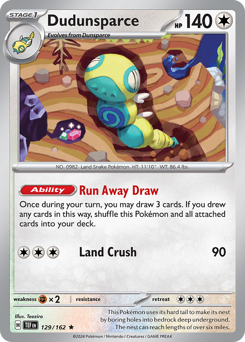
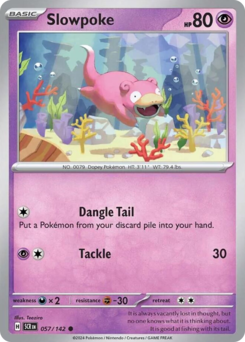
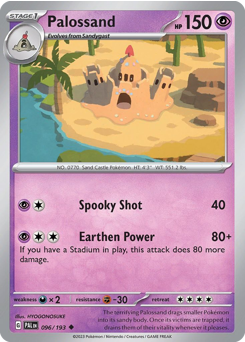
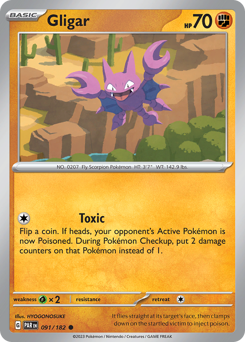
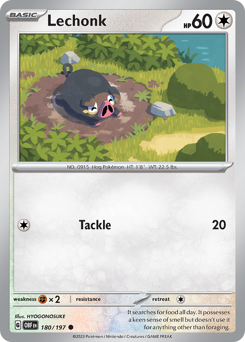
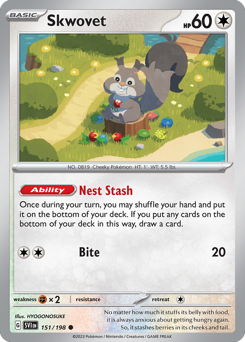
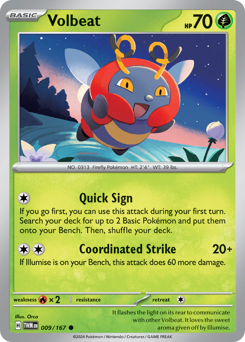
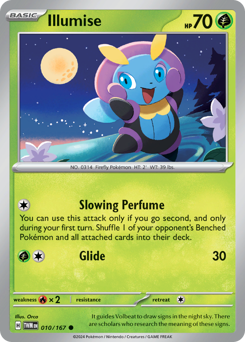
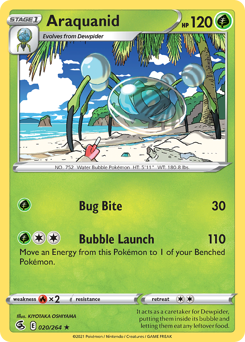
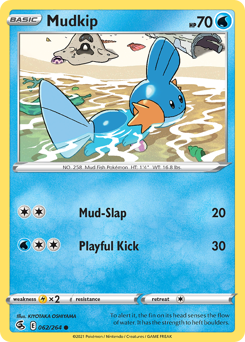
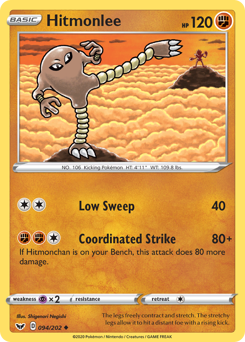
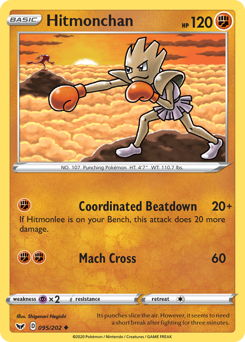
Search for Pokémon cards that connect and you're after a specific thing: cards whose artwork doesn't stop at the border. The illustrator paints one wide scene, then splits it across two, three, or nine separate cards, so that laying them next to each other reassembles the full picture. Collectors and Bulbapedia call this a combined illustration. It's not the same as an evolution line printed on three cards — those are three separate drawings. A true connector shares a continuous background: the same horizon, the same rock face, the same sky flowing from one card into the next. Once you know they exist, the fun is hunting them down and slotting them back together — and a binder page is exactly where they go.

The set that started it: Southern Islands
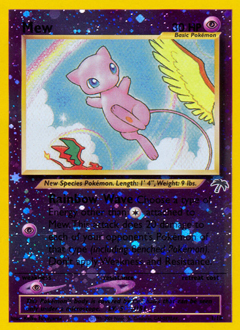
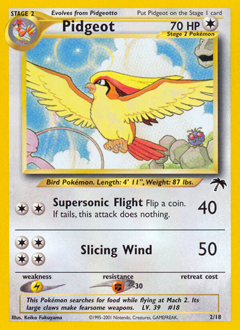
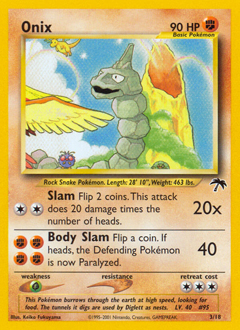
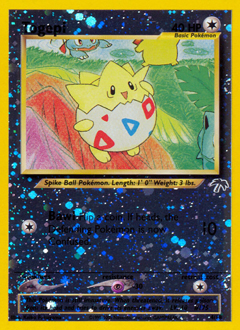
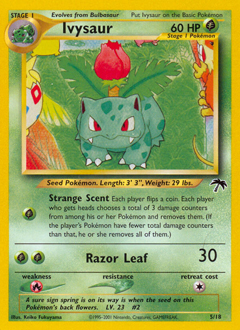
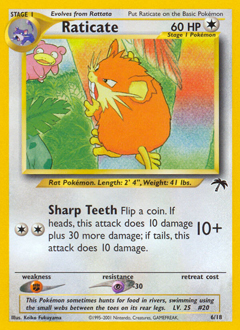
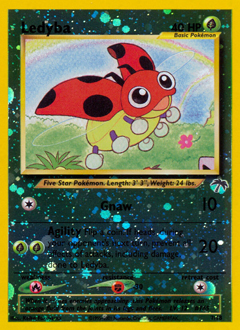
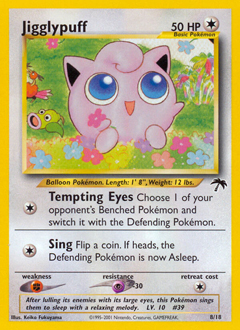
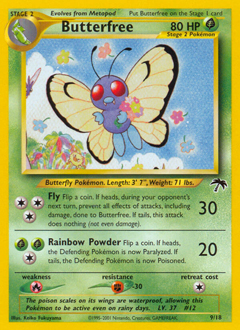
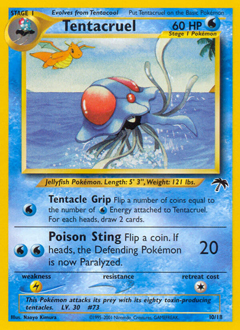
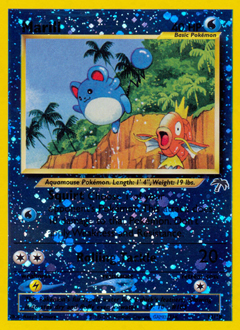
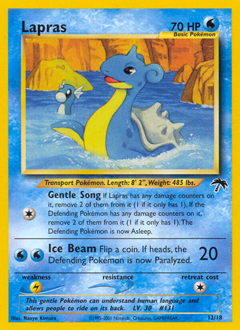
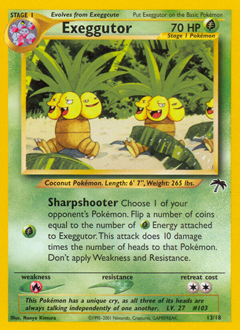
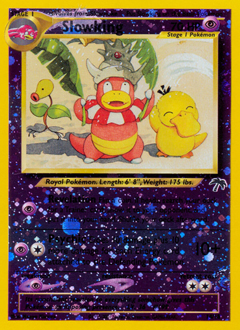
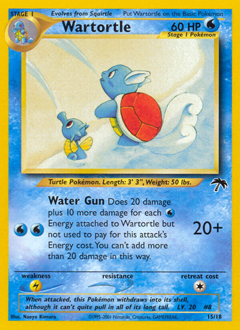
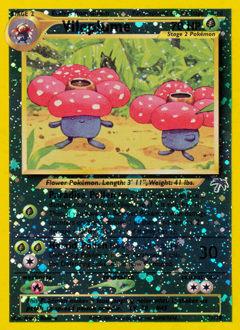
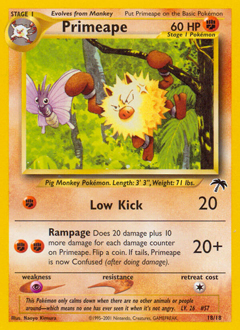
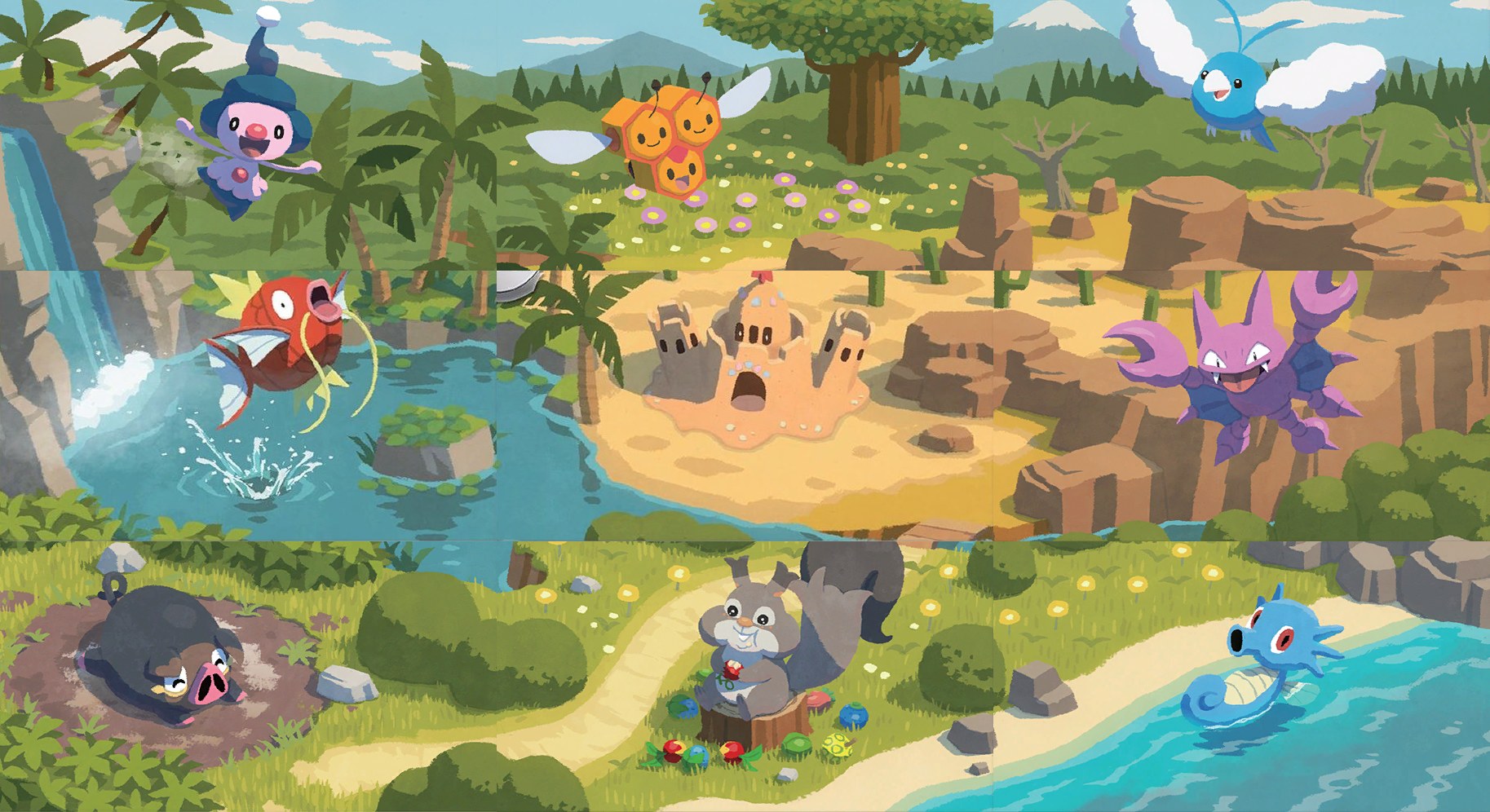
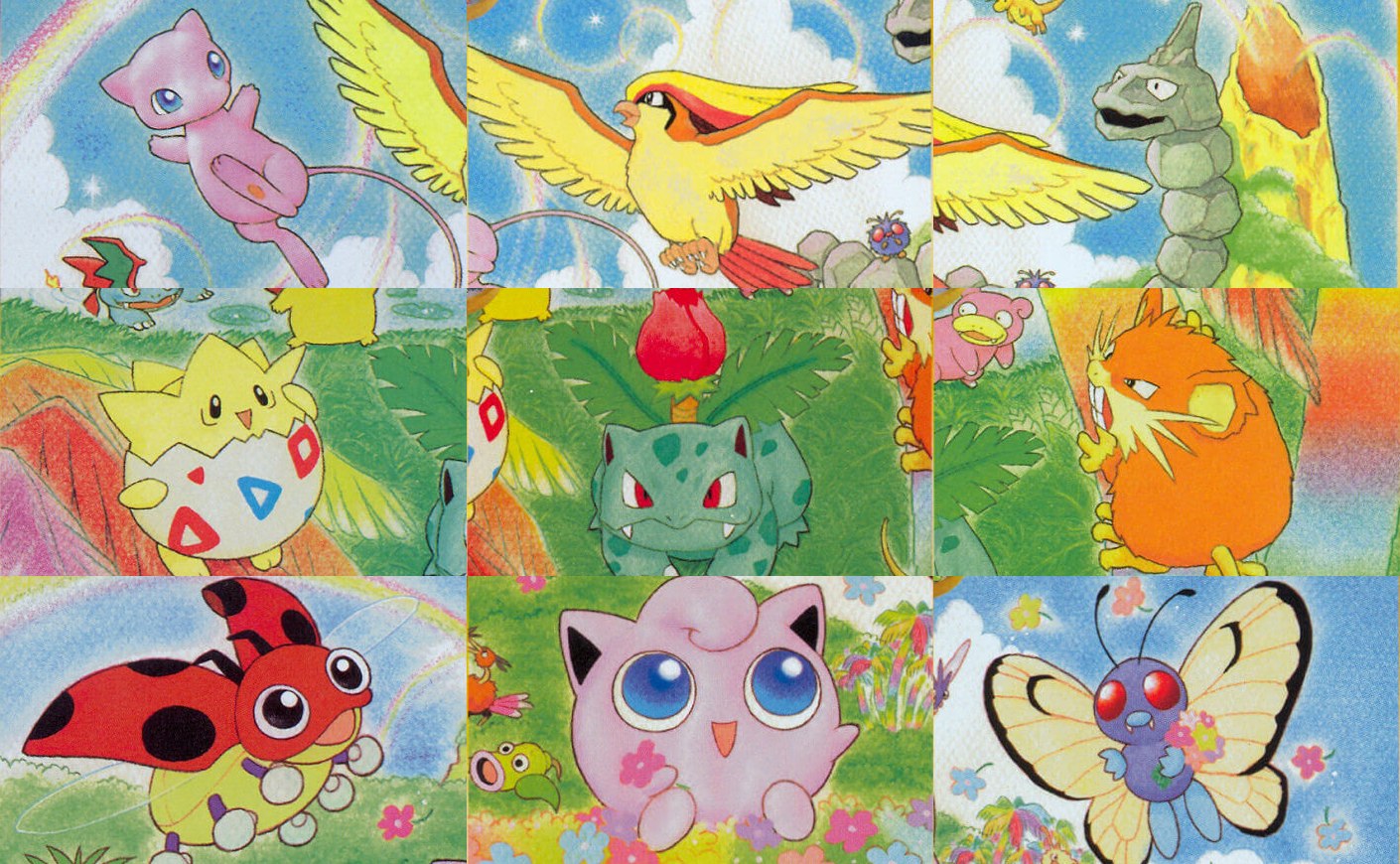
The first Pokémon set built entirely around this idea was Southern Islands, a special 18-card collection first sold in Japan in 1999 and released in English in 2001. It isn't one connecting picture — it's two. Cards 1 through 9, all painted by Keiko Fukuyama, tile into a single tropical-island scene across a 3x3 grid. Cards 10 through 18, all by Naoyo Kimura, form a completely separate seaside picture the same way. Two artists, two nine-card murals, one boxed set. That 3x3 layout is not a coincidence: the cards were designed to be arranged the way a standard 9-pocket page holds them. Southern Islands is the reference point every later connecting set is measured against.
How to spot a connector
Listings almost never tell you cards connect, so you learn to read the art. Three signals do most of the work. First, a shared horizon: if two cards put the waterline, the treetops, or the skyline at the exact same height, they were probably drawn as one image. Second, one artist across a group — connecting sets are almost always the work of a single illustrator, so a run of cards by the same name in one set is a strong hint. Third, backgrounds that feel cut off: a card whose scenery runs right off one edge with nothing to balance it is usually missing its other half. When all three line up, hold the cards edge to edge and check whether the lines meet.
Pairs, vertical climbs, and full murals
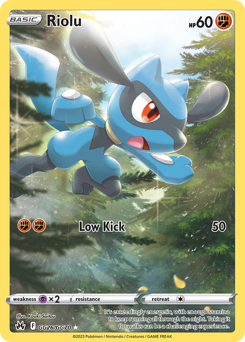
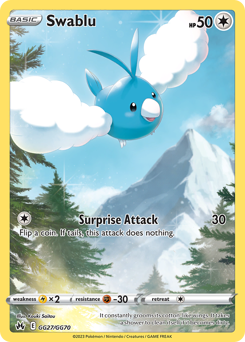
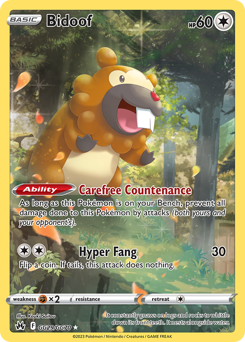
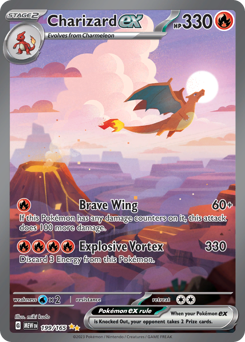
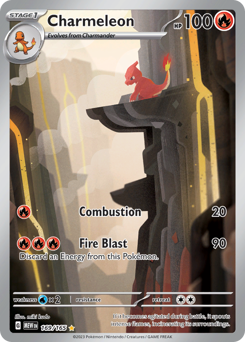
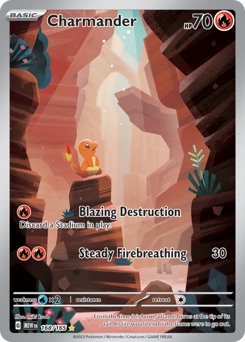
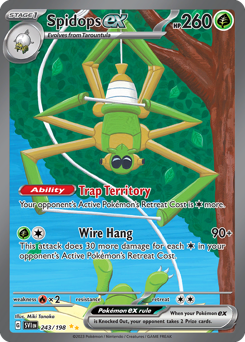
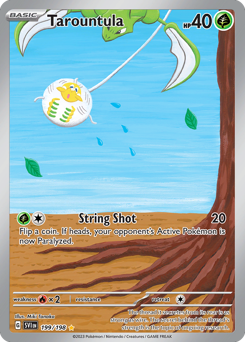
Connectors come in three shapes. The simplest is a horizontal pair or trio, where two or three cards sit side by side to complete a wide landscape. The second is a vertical stack, which modern sets love for evolution lines: 151 painted the Charmander line as a canyon that climbs from card to card, so you read it bottom to top rather than left to right. The third is the full mural — Southern Islands and Crown Zenith both build a nine-card image meant to fill an entire page. Knowing which shape you're dealing with tells you how to arrange it: a pair wants two adjacent pockets, a vertical trio wants one column, and a mural wants all nine slots of a single page.
Arranging them in a binder
This is the one theme where the layout isn't a matter of taste — the cards tell you where they go. Put the pieces in their intended order and the picture appears; put them out of order and it breaks. For a nine-card mural like Crown Zenith's Galarian Gallery run, fill one page in pocket order and the scene assembles itself. For a vertical evolution stack, keep the three cards in a single column so the background lines up seam to seam. Use clear or perfect-fit sleeves so the borders sit tight against each other, and a side-loading page so nothing shifts out of alignment. A connecting page is the closest the hobby gets to hanging a single painting — it just happens to be cut into nine pieces you collected one at a time.