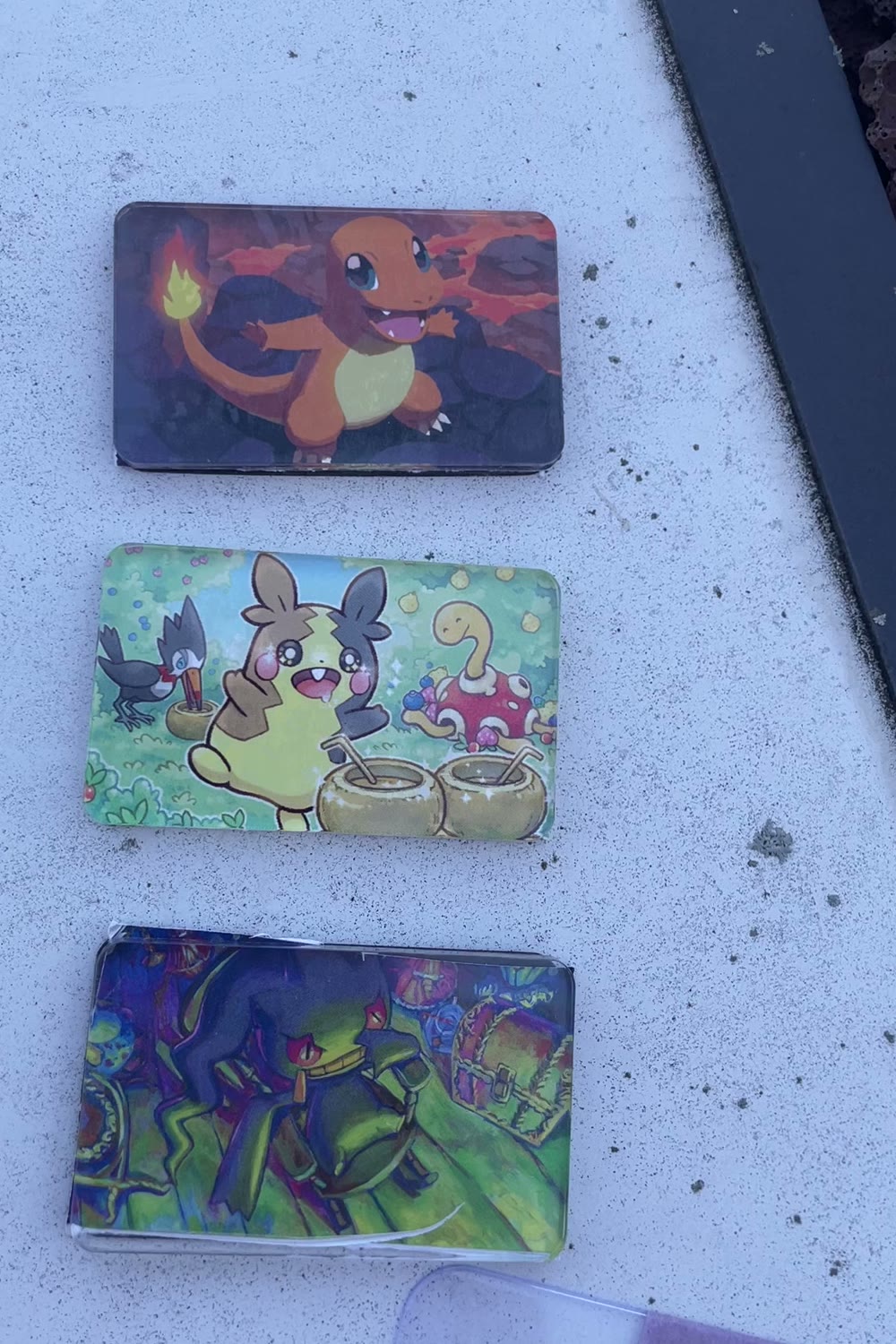
Why bulk cards make great magnets
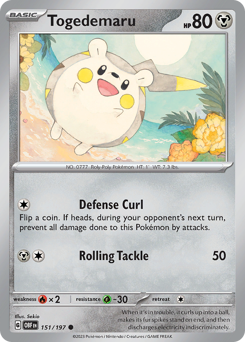
Commons and uncommons from modern sets are worth five to twenty cents each — nobody is buying them, grading them, or missing them. But the art on some of them is legitimately lovely: little painted scenes of Pokémon napping on beaches, raiding picnics, or hiding in the rain. A magnet puts that art somewhere you actually look every day. This is the guilt-free tier of card crafts: you are not destroying anything the hobby wants back.

Check the price before you cut
One habit first: look every card up before it goes under the scissors. A card that looks ordinary can be a short-print or a tournament staple, and the difference between five cents and five dollars is invisible to the eye. Search the card in our price checker — it takes ten seconds. If it is under a dollar and you own duplicates, craft away.
Method one: acrylic art-block magnets
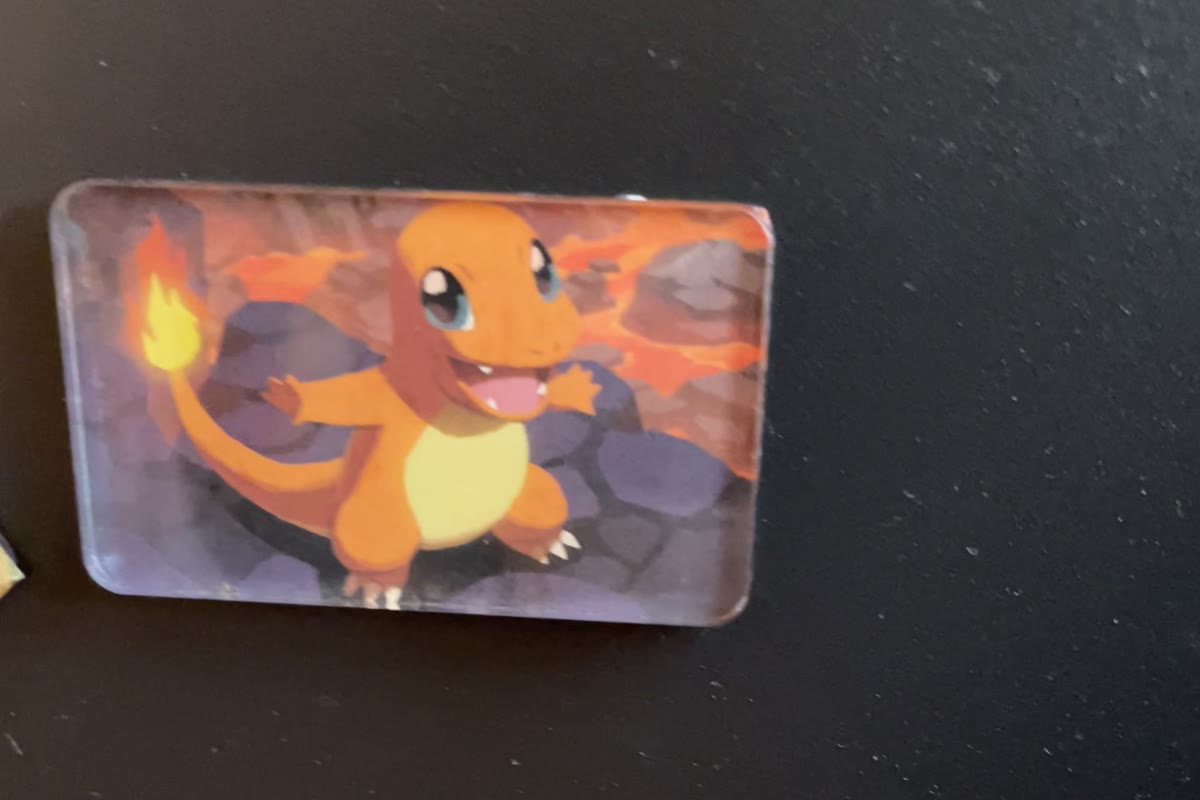
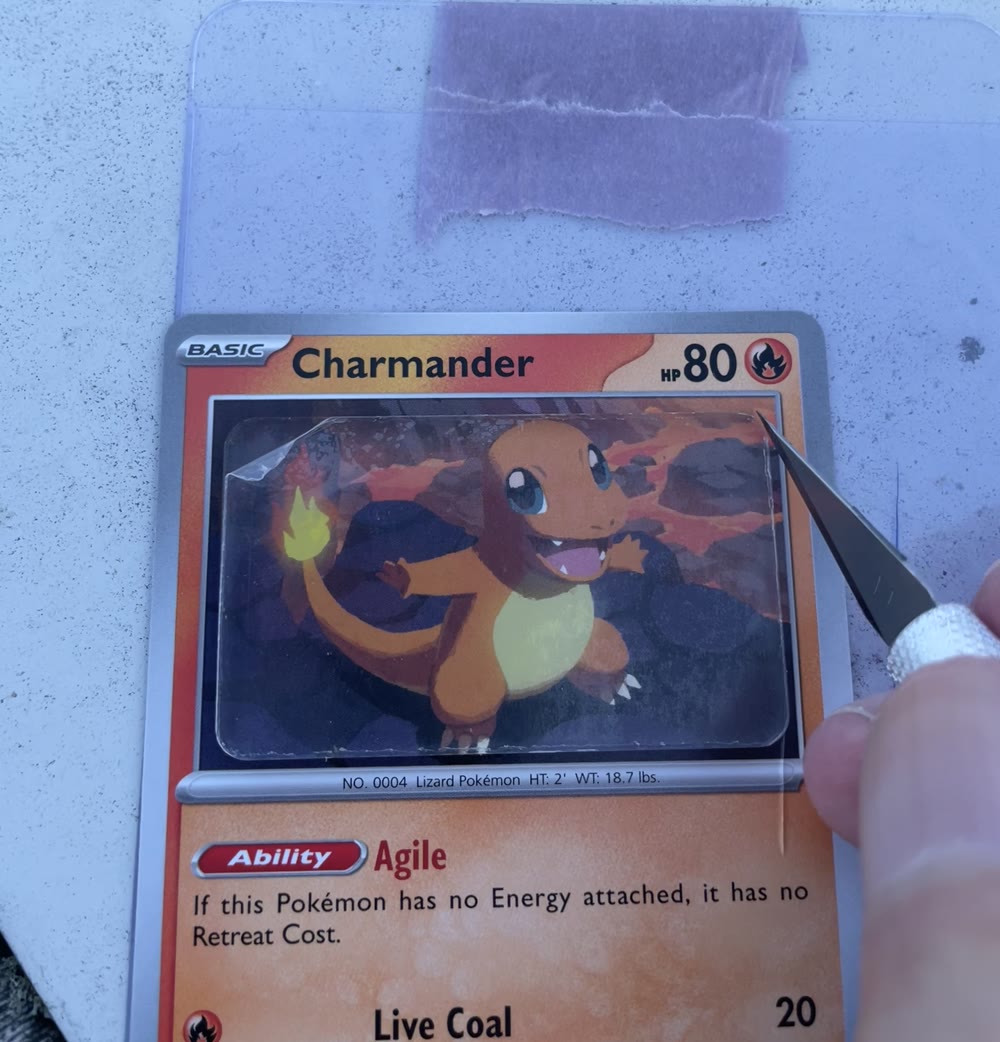
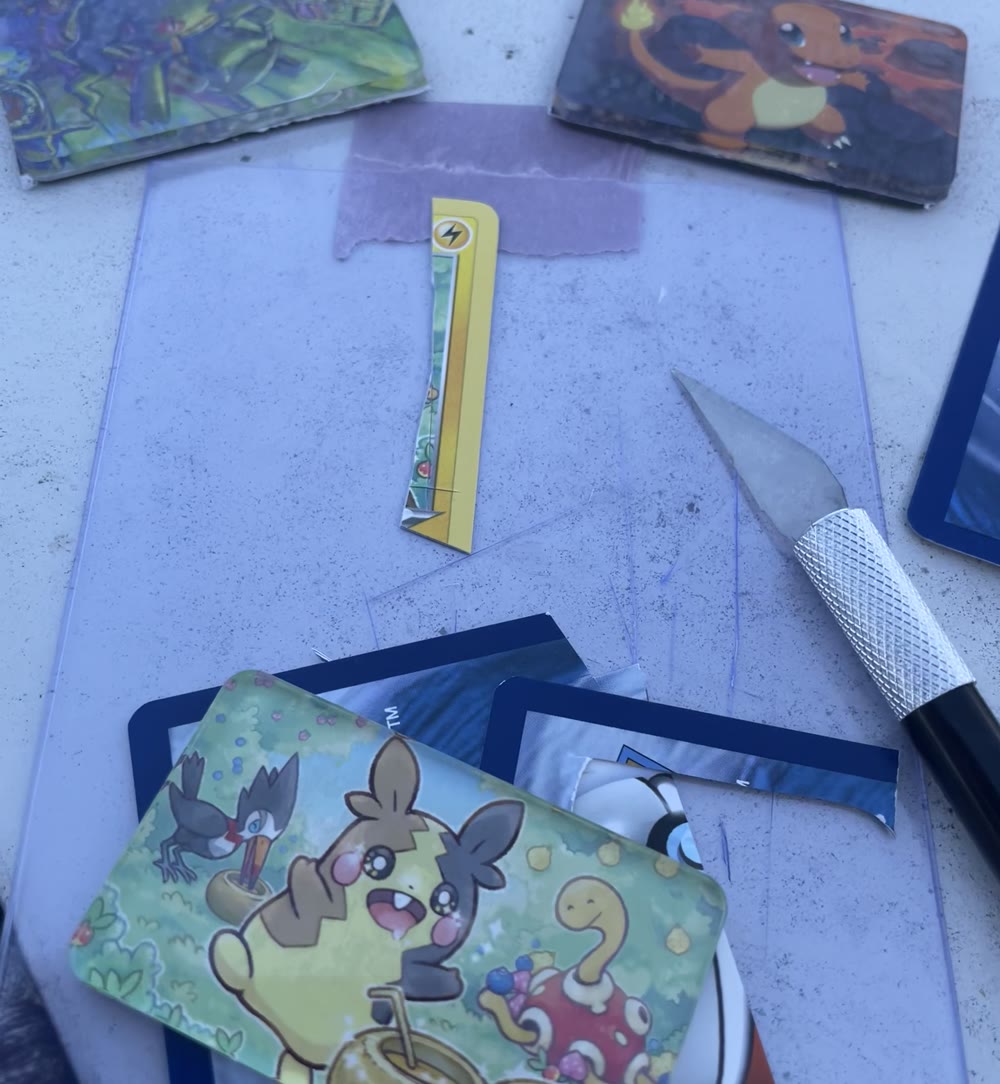
This is the version that looks store-bought. Buy clear acrylic blank photo magnets — they come in several rectangle sizes — and cut the artwork window out of the card with sharp scissors or a craft knife. Trim the art panel to your blank’s insert size, drop it in, and the acrylic magnifies it slightly and gives it a glassy, framed look. The card frame and text stay out; only the illustration shows. The 1.2 × 2 inch blanks are the sweet spot — almost exactly a framed card’s art window, so you barely have to trim.
- Stick the blank down before you cut, not after. Peel its adhesive face, press it onto the art you want, and let it hold its own position while you trim around the outside of it. This is the step that decides whether the edge comes out clean.
- Do not hold the blank against the card and cut around it freehand. It slides under the blade. You end up cutting into the art on one side and leaving a ragged overhang on the other, and the acrylic shows every bit of it.
- Untested idea, if you would rather not run a blade against the plastic at all: trace around the blank with a pen, lift it off, cut to the drawn line, then glue the panel in. You would be cutting to a line on a flat card instead of against an edge that can move. We have not tried this one yet.
Method two: whole-card magnets
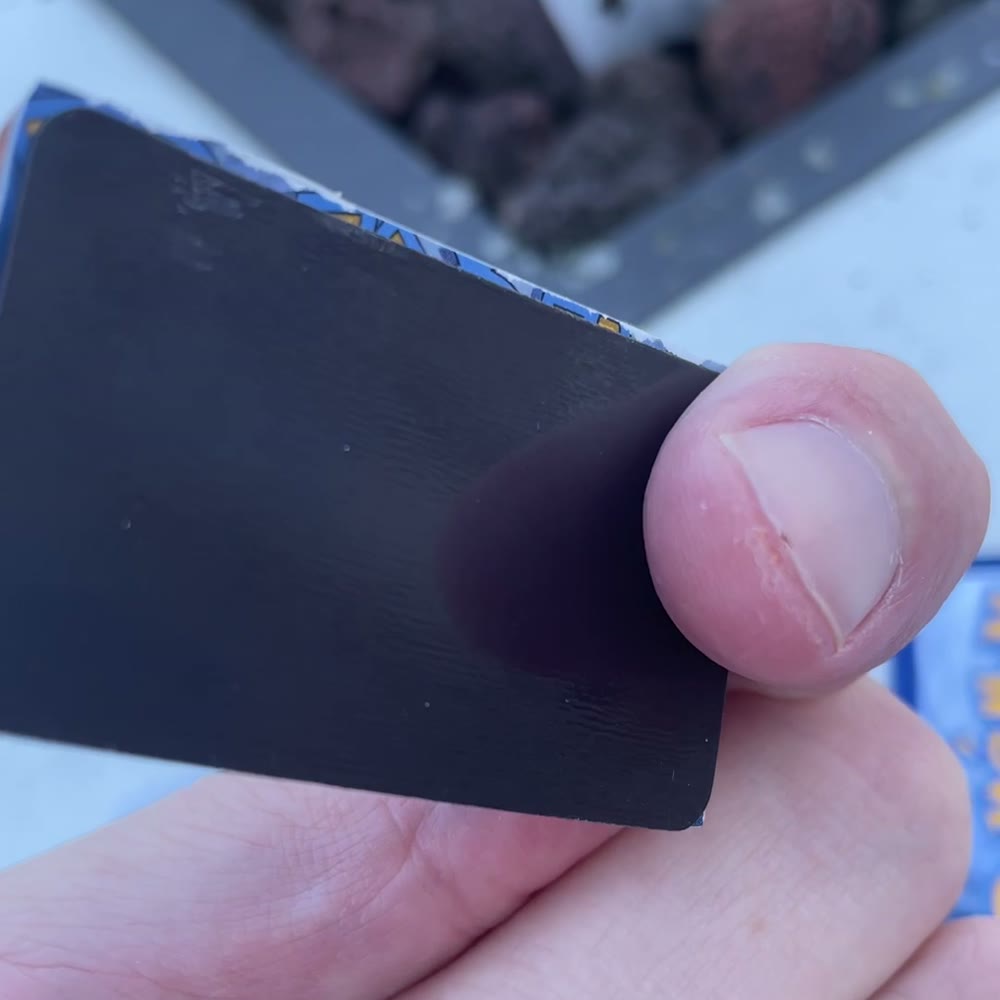
The five-minute version: adhesive magnetic sheets. Peel the backing, press the whole card on, cut around it, done. The card stays intact — sleeve it first in a penny sleeve if you want it protected from kitchen life — and full-art cards especially work well this way, since on those the art already runs edge to edge.
Which art to hunt in your bulk box
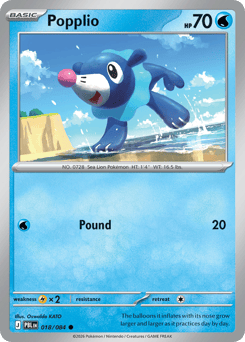
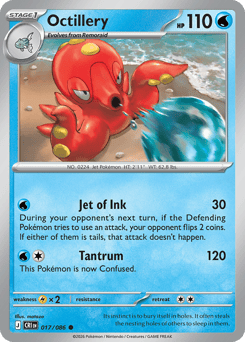
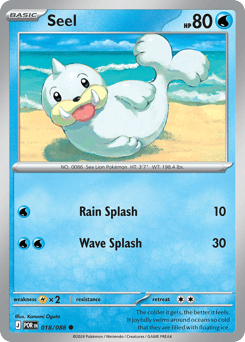
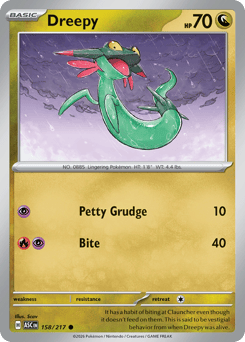
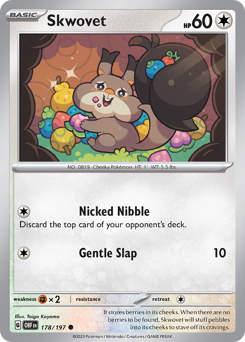
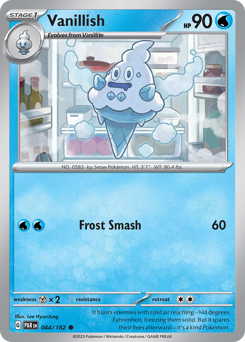
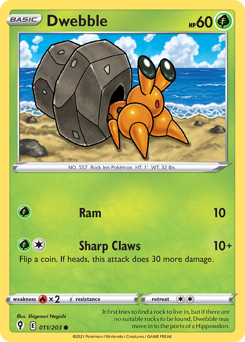
The best magnet cards have one clear subject and a scene behind it — the art has to read from across a room, not from nine inches away in a binder. Big expressive faces, bold silhouettes, and bright single-color backgrounds all work. Skip busy battle scenes and dark backgrounds — they turn to mud at magnet size — and skip cards with mechanic emblems stamped over the art, like the Rapid Strike and Single Strike banners from Sword & Shield: the watermark sits right where your magnet’s picture should be. The gallery below is a starting point: every card in it costs pennies and carries art we have hand-verified as genuinely good.