Collect what you like, not for profit
The first rule is the simple one, and it's the one that saves the most money: collect the cards you actually like. Chasing 'investments' is the fastest way to burn out, because every purchase turns into a bet you can't price and every card you own turns into something you're waiting to sell. Pick a favourite Pokémon, the generation you grew up with, one artist, or just the art that catches your eye, and let that steer you. A collection built on what you like has a floor no market can touch. You still like the cards. Worth knowing up front: the vast majority of Pokémon cards ever printed are worth close to nothing, and that's fine. This isn't a portfolio with a mascot.

What to buy first, and what to skip
Most beginners get sold the wrong thing on day one, usually because the biggest, shiniest box on the shelf looks like the obvious start. It isn't. Here's the order to spend your first money in, and what can wait:
- Buy first: a few loose booster packs of a current set. Find out whether you enjoy opening at all before you commit real money to it.
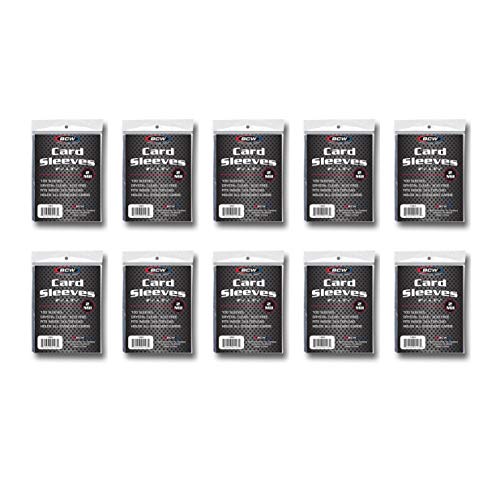
- Buy first: penny sleeves. A hundred of them costs a couple of dollars and they're the single best purchase in the hobby.
- Buy first: one binder with side-loading, PVC-free pages. One. Not a matching set of five.
- Buy second, once you know what you like: singles of the specific cards you want. Almost always cheaper than pulling them.
- Skip for now: a booster box. A hundred-plus dollars on one set before you know whether you like that set. The most common beginner mistake.
- Skip entirely: the repacks and 'mystery boxes' at the checkout and online. If someone assembled the contents, they kept the good cards.
- Skip for a long while: grading. Almost nothing a new collector owns is worth the fee, and a card in a slab can't go in a binder.
Where to get your cards
Two ways in. Booster packs, Elite Trainer Boxes and collection boxes give you the pull. You don't know what you'll get, and that surprise is half the fun. Singles, meaning the exact cards you want, bought from a shop or a marketplace, are the efficient route once you know what you're after. Most collectors do both: rip a little for fun, buy singles to fill the gaps. Where you buy changes the price more than people expect. Big-box stores sell at list price when they have stock. Local card shops charge a bit more but you can look at singles in person and ask questions. Online marketplaces are where the specific-card hunting happens. Our where-to-buy guide covers the stops nobody checks, including the official vending machines, and it's worth a read before your first real spend.
Sealed vs singles: the honest maths
If you love the gamble and the ritual of opening, buy sealed. Just know the cards inside, on average and over enough packs, are worth less than the pack cost. That's how the product is designed, and the gap is what you pay for the experience. Open for fun, not for return. If you have a specific card in mind, a certain Charizard or a favourite artist's illustration rare, singles get you there for a fraction of what ripping packs would cost, and with certainty instead of odds. The test that settles it: pick the one card you want most from a current set, look up what a single copy sells for, then look up the pull rate. For nearly every chase card the single is cheaper than the packs you'd expect to open, often by a lot. Neither route is wrong. They answer different questions, and knowing which one you're asking is most of the difference between a happy collector and a frustrated one.
What a starter setup actually costs
You can start properly for less than the price of one Elite Trainer Box. The gear is where beginners either save a fortune or waste one, so here are the numbers:
- 100 penny sleeves: a couple of dollars.
- A zip binder with side-loading pages: $20 to $40 depending on brand and size.
- A pack of spare 9-pocket pages: a few dollars.
- A ten-pack of toploaders for your best raw cards: a few more.
That's a complete protection setup for well under $50, and it'll carry a collection of several hundred cards before you need anything else. Everything above that is cards. The mistake is the reverse split, $100 of sealed product and no sleeves, which is how a good pull ends up scratched at the bottom of a backpack. Buy the gear first, then spend what's left on cards, and set a monthly number you're happy to lose. Packs are entertainment spending. Treating them that way keeps the hobby fun.
Protect them from day one
Cards scratch, bend and fingerprint fast, and foils are the worst because the shiny surface shows every mark. Before anything else:
- Penny sleeves on anything you care about. Double-sleeve the special ones: a snug perfect-fit sleeve inside a penny sleeve. The sleeves guide walks through it.
- Toploaders for your best raw singles.
- Acid-free, PVC-free pages and a binder for the collection itself.
- Handle cards by the edges, never the face.
- Keep everything out of direct sunlight and away from anywhere without climate control. That rules out attics, garages and cars.
Our binder guide covers the one binder decision that actually damages cards, and the storage guide covers where the rest of the collection lives.
Start your first binder
A binder is the difference between owning cards and having a collection. The easiest starts are a Living Pokédex (one slot per Pokémon, in National Dex order) or a single-set binder where the empty pockets double as a checklist, but any theme works: by type, by colour, by artist, or a page of nothing but your favourite Pokémon. Use side-loading, acid-free 9-pocket pages so cards can't slide out when the binder stands upright, and consider a zip binder for the same reason. One thing that saves a re-sort later: decide your sorting system before you slot a single card, because changing your mind at page forty means unloading pages one through thirty-nine. Our organising guide covers the systems and how to pick one in about thirty seconds.
How sets and rarities work, at a glance
Two things on every card tell you most of what you need. The collector number, printed as something like '4/102' or '183/165', says which card in the set you're holding and how big the set is. When the first number is bigger than the second, you're holding a secret rare, a card printed past the advertised set size. The little symbol beside it is the rarity: a black circle for Common, a black diamond for Uncommon, a black star for Rare, and a growing family of star combinations above that for the premium tiers. Sets release in blocks called eras, and you can usually read the era off the mechanic on the powerful cards. ex, GX, V, VMAX and now Mega Evolution ex each belong to specific years. You don't need to memorise any of this today. The rarity symbol guide is the full reference, the ex/V/VMAX/GX decoder explains the suffixes, and the holo vs reverse holo guide covers why two copies of the same card can look completely different.
Pick a goal (this is what makes it a collection)
A pile of cards becomes a collection the moment it has a shape, and the shape is easier to choose than people think. No wrong answers, just different amounts of work:
- Favourites: cards of the Pokémon you actually like, from whatever sets they turn up in. Cheapest to start, never finishes, never disappoints.
- A Living Pokédex: one card per species, in Dex order. The friendliest long project, because every Pokémon has a cheap card somewhere.
- One set: every card in a single expansion, in number order. Finite, satisfying, and the binder tells you exactly how far you have to go.
- A master set: every card in a set including the reverse holos and secret rares. The completionist's version, several times the work and cost of the base set.
- An artist: every card by one illustrator, across every era. Underrated, personal, and it turns browsing into something closer to art collecting.
- A theme: a Charizard binder, an Eeveelution binder, a colour-sorted rainbow page. The most fun to show people.
Collecting with a kid: two binders and one rule
The most common version of this hobby is a parent and a kid collecting together, and it works best with one change: two binders. A trade binder they can carry, flip, sort, take to school and to a friend's house without anyone panicking. And a keep binder that stays home, for anything over a value line you pick (most parents land somewhere between $5 and $25) plus anything sentimental. The kid can look at the keep binder any time, ideally with an adult. It's theirs, it's just safe. Cards in the trade binder will get bent. That's not a tragedy, and a collection a child isn't allowed to touch isn't their collection. Re-check the trade binder now and then, because a card you waved off as bulk a year ago can quietly become a keeper. The one rule worth enforcing from day one: the good cards don't leave the house. Nearly every adult collector has a story about a card lost or traded away at school. If your kid wants to show off the good stuff, take a photo of the keep binder and let them show the photo. For the trade binder, a few house rules stop the classic 'older kid talks little kid out of a great card' story:
- One card for one card.
- Same rarity for same rarity. A rare for a rare, never a rare for a handful of commons.
- Look both cards up, or ask a parent, before agreeing to anything.
- If a trade feels lopsided, it is. It's fine to sleep on it.
- For a big pull, offer the buy-back: trade your kid a few packs or some cash for the valuable card and keep it safe for them. They get the excitement, the card survives.
Kids grab cards by the face and flip pages fast, so a toploader binder, the kind with firm pockets, holds up better than thin pages for the keep binder. Sleeve gold and metallic cards immediately, they scratch the easiest. For a truly special pull, a screw-down acrylic case or a wall frame mounted up high lets them show it off with no way to hurt it.
Teaching value without killing the fun
You can teach real lessons here, but keep it light. A simple ritual works: a lot of families do one booster pack every Saturday, which keeps it affordable and gives the week a beat. To teach value without fixating on dollars, price things in packs or candy ('this card is worth zero packs, that one's worth ten') so kids get rarity without obsessing over money. Some parents have kids earn a pack for chores or homework. There's no right answer on whether to teach young kids exact dollar values, and that's fine. The goal is a kid who enjoys the hobby and picks up a little about worth and patience along the way. If they want a project, the family Pokédex binder is the one: one card of every Pokémon, in number order, commons fine, upgraded over time. It's finite, cheap to start, it's a shared mission, and it quietly teaches the National Pokédex.
A few beginner tips
The short list, learned the expensive way by everyone who came before you:
- Don't chase every card at once. 'I collect Eeveelutions' is a far better answer than 'I collect Pokémon cards.'
- Be wary of cheap bulk lots and unknown sellers. Counterfeits are common and the tells take ten minutes to learn. Our fake-spotting guide starts with the texture test, which catches most of them.
- Don't grade or vault everything. Most cards are for enjoying, and the fee often costs more than the card.
- Learn what your cards are worth before you trade, using a real sold-price source rather than someone's asking price.
- There will always be a card you didn't pull and a set you started too late. Every collector alive is in the same position.