The two-binder system
The single best idea for collecting with a kid is to split their cards into two binders. A trade/play binder holds cards they can do anything with — trade at school, show off, bend, lose — no stress. A keep (or 'vault') binder holds the cards worth protecting, and it stays home. Any card over a value line you pick (most parents use somewhere around $5–25) and any sentimental card graduates to the keep binder. The kid can look at the keep binder anytime, ideally with an adult — it's theirs, it's just safe. Re-check the trade binder now and then, because a card you waved off as bulk a year ago can quietly become a keeper.

Protecting cards from rough little hands
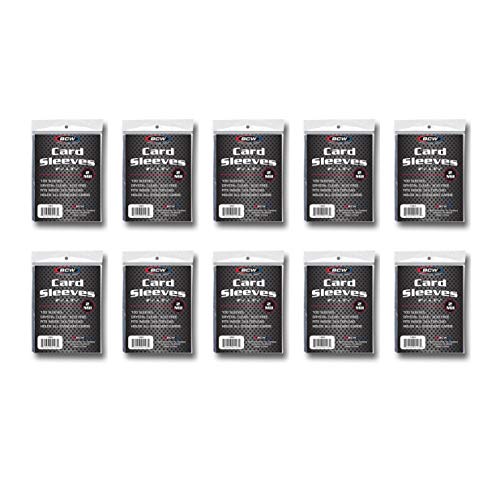
Kids flip pages fast and grab cards by the face, so build in protection. The baseline: a penny sleeve, then a toploader, then a toploader binder, which has firm pockets that survive enthusiastic handling far better than thin pages. Sleeve gold and metallic cards immediately — they scratch the easiest. Keep binders out of direct sunlight. For a truly special pull, a graded slab is genuinely kid-proof (they can hold it and show it off without harming it), and a screw-down acrylic case or a wall frame mounted up high lets them display a favorite while keeping it out of reach.
The #1 rule: don’t let the good cards leave the house
Almost every adult collector has a story about a prized card lost or traded away at school as a kid. Save your kid that regret: valuable cards stay home, full stop. The trade binder is what goes to school or a friend's house. When your kid wants to show off the good stuff, take a photo of the keep binder and let them show the photo around instead of the cards. It sounds strict, but it's the advice collectors wish someone had given them.
Teaching value without killing the fun
You can teach real lessons here, but keep it light. A simple ritual works well — many families do one booster pack every Saturday, which keeps it affordable and gives the week a fun beat. To teach value without fixating on dollars, price things in 'packs' or 'candy' (this card is worth zero packs, that one's worth ten) so kids grasp rarity without obsessing over money. Some parents have kids earn a pack for finishing homework or chores. There's no consensus on whether to teach young kids exact dollar values — and that's fine; the goal is a kid who enjoys the hobby and learns a little about worth and patience along the way.
Safe trading (and avoiding playground scams)
Trading is half the fun and the main place kids get burned. A few house rules prevent the classic 'older kid talks little kid out of a great card' story:
- Trade one card for one card.
- Trade same rarity for same rarity — a rare for a rare, not a rare for a handful of commons.
- Always look up both cards, or ask a parent, before agreeing to anything.
- If a trade feels lopsided, it probably is. It's fine to sleep on it.
- For a big pull, offer the 'buy-it-back': trade your kid packs or a little cash for the valuable card and safeguard it for them, so they get the instant excitement and the card is preserved.
A great first goal: the family Pokédex binder
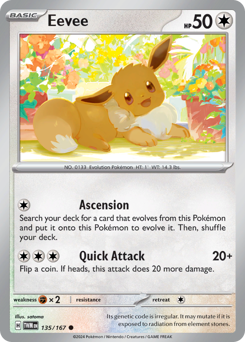
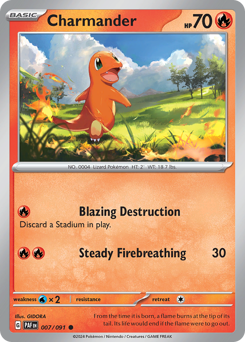
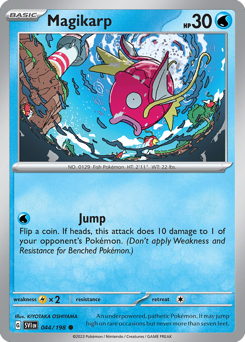
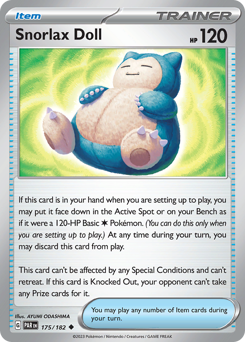
If your kid wants a project, a Pokédex binder is perfect: collect one card of every Pokémon, in number order. It's finite, satisfying to fill page by page, cheap to start (commons are fine, and you upgrade to nicer cards over time), and it's a shared goal you can chase together. It turns a pile of random cards into a mission — and quietly teaches the National Pokédex along the way.
Quick-start checklist
All of the above in the order you'd actually do it. Then let them collect — the mistakes made on cheap cards are part of how they learn:
- Get two binders: a rugged toploader binder for the keepers, and a cheap one for trades.
- Stock up on penny sleeves and a few toploaders.
- Sleeve anything your kid likes.
- Move the valuable and sentimental cards into the keep binder.
- Agree on a simple rule like one pack a week.
- Set the 'good cards stay home' rule on day one.
- Pick a goal together — a Pokédex binder, a favorite-Pokémon page, or just 'cards we love.'