Why the default pack disappoints
A booster pack costs $4–5 at MSRP and holds about ten cards, most of them commons. It is a lottery ticket, and the odds are the odds — the most likely outcome of any single pack is a handful of cards that go straight into bulk. None of that makes a pack a bad stuffer; it makes it a bad only-stuffer. One pack on top of something else reads as a bonus. Four packs and nothing else turns the whole gift into a scratch-off, and the disappointment is baked in before anyone opens anything.
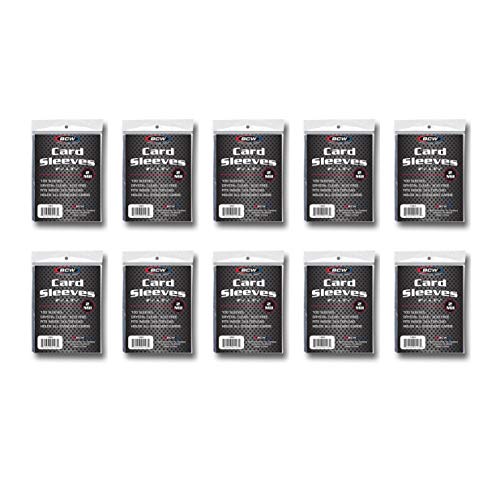
Under $20, ranked by how much it gets used
A 1,000-count box of penny sleeves is around $10 and will last a casual collector years — it is the single most-used thing in this hobby and almost nobody buys enough of it. Fit varies more than price does — Vault X pennies sit best in binder pockets, BCW is the reliable budget box, and premium play sleeves are a different product entirely, the wrong buy for anyone who only binders. A 50-pack of side-loading 9-pocket pages runs about $15 and is the other perpetual shortage. A toploader-and-sleeve combo covers the thick and valuable cards that should never go straight into a page. A bulk storage box handles the commons that do not earn a binder slot. Nobody is thrilled to unwrap sleeves on their own, so pair one of these with a single card or one pack — the gear is what gets used, the card is what gets opened.
A single card beats a random pack
For the price of three or four packs you can buy the exact card instead of gambling on it. Under $20 buys a surprising amount of history: a Neo-era holo from 2001, an Illustration Rare of an ordinary Pokémon, a promo of the starter they picked when they were eight. Pick it one of three ways — their favorite Pokémon, their favorite illustrator, or the set they played as a kid. Our price checker gives you the current market on any card in seconds, and any Pokémon or artist page on this site doubles as a browsing list when you have no idea where to start.
Buying a single card when you’re not a collector
Two rules make this safe. First, buy from a listing that photographs the actual card, not a stock image — condition is the entire risk on a raw card, and a seller who will not show it is telling you something. Second, check that the set symbol and card number in the listing match the card you meant to buy; the same Pokémon is printed dozens of times across decades at wildly different prices. Ask that it ship in a toploader, not a plain envelope. And order by the first week of December — card shops and marketplace sellers are individuals, not warehouses, and shipping slips badly in the last two weeks of the year.
If they love the pack thrill, stretch it over a month
The Pokémon TCG Holiday Calendar is the pack-a-day version of the same impulse: 25 doors, each with a booster, a three-card fun pack, a stamped foil, or a coin, at $49.99. It is over the $20 line as a stuffer, but it solves the exact problem — the thrill lasts 25 days instead of ninety seconds. It also sells out and drifts above MSRP as December closes in, so it is an August purchase you hide, not a December one.
Free: print the stuffers
Binder dividers, set checklists, and placeholder cards are free on this site and print on ordinary cardstock. A stack of dividers labeled for the sets someone actually collects, rolled with a ribbon, is a genuinely good stocking gift that costs ink — and it pairs naturally with the pages or binder if you are giving those too. The checklists in particular tend to get used immediately, because the first thing anyone does with a new binder is figure out what is missing.
What to skip under $20
Repack "mystery packs" hanging by the register are the worst value in the hobby — the contents are chosen by whoever assembled them, and the good card in the photo is not the good card in the bag. Lots advertising "100 cards including rares" are bulk with a guarantee that every pack already provides, and the unbranded ones are where counterfeits move. Gold-foil novelty cards are not Pokémon cards in any sense that matters. If a stuffer is under $20 and promises a hit, the promise is the product.


