When Black Friday 2026 actually falls
Black Friday 2026 is Friday, November 27, and Cyber Monday is Monday, November 30. Neither is really a single day any more. Large retailers spread Black Friday pricing across most of November, hold the deepest cuts for the final week, and carry the online-only prices through the weekend into Monday. That matters more here than it does in most categories, because the Pokémon shelf splits into two halves that behave in opposite ways during a sale — one of them genuinely discounts and the other mostly performs a discount. This page is written months ahead of any 2026 promotions being announced, and it will be updated with confirmed deals as retailers publish them.

What actually goes on sale, and what only looks like it
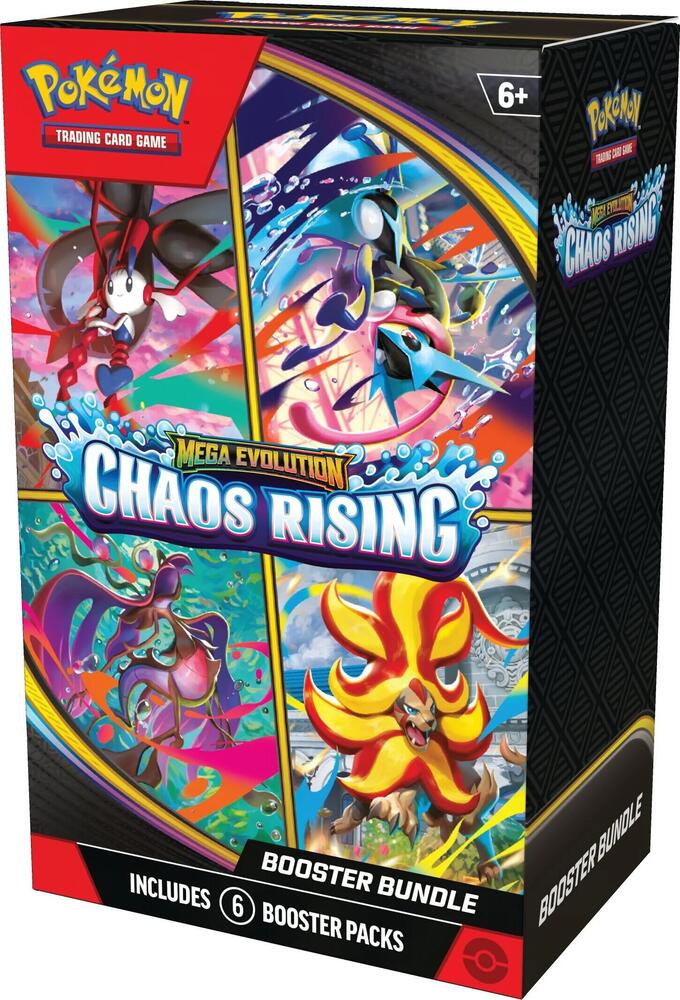
Storage and protection gear is ordinary retail merchandise. Binders, pages, sleeves, toploaders, storage boxes and display cases are manufactured in volume by companies competing directly on price, sold through the same channels as every other November markdown, and they behave like every other November markdown. Sealed Pokémon product is the opposite kind of thing. It is supply-constrained, it frequently sells at or above its list price for the whole year, and a retailer has no reason to discount a product that clears the shelf at full price. When you do see sealed advertised as a Black Friday deal, the saving is usually measured against a list price nobody was paying, or it is a bundle assembled so the total looks like a discount. The most useful thing to know going into November is that the real sale is in the accessories aisle, not the card aisle.
A price cut back to MSRP is not a discount
This is the specific trick to watch for, and it is not really the retailer being dishonest — it is a side effect of how this market prices itself. Popular sealed product spends most of the year trading above its list price, so when a big-box store puts an Elite Trainer Box on the shelf at $49.99 in late November, that genuinely is less than you would have paid a stranger for it in September. It is still not a sale. It is the product being available at the price printed on it. That distinction is worth holding onto, because the retailer will present it with a crossed-out number beside it and the crossed-out number is doing no work. Buy it if you wanted it at list price. Do not buy it because the tag says you saved forty percent.
How to check a Pokémon deal in about ten seconds
Ignore the crossed-out price entirely; it is set by the seller and means nothing. For sealed product, compare the advertised price against what the product actually changes hands for right now — the market price, not the list price. For singles, do the same against the card price rather than any bundle it is packaged inside. For gear, the honest test is whether the sale price is roughly the price the item sat at in October; a lot of accessory listings rise in early November and return to normal wearing a discount badge. Our card price tool will settle the card side of this in a few seconds, and it runs on a local index, so it will not fall over when everyone else is shopping.
Binders and pages are the real Black Friday buy
This is where a November budget goes furthest, and it is the one purchase where waiting for a sale is genuinely the right call. A good zip binder with side-loading pockets is the difference between a collection you can carry and one you are nervous about moving, and it is also the thing most people keep putting off because it costs more than the cards going into it. Black Friday is when that gap closes. The same applies to loose pages: side-loading 9-pocket pages bought in a fifty-pack cost a fraction per page of what a ten-pack costs, and pages are the one supply nobody ever regrets over-buying. If you only make one purchase in November, make it the binder you have been avoiding.
Sleeves, toploaders and boxes: buy the boring things in bulk
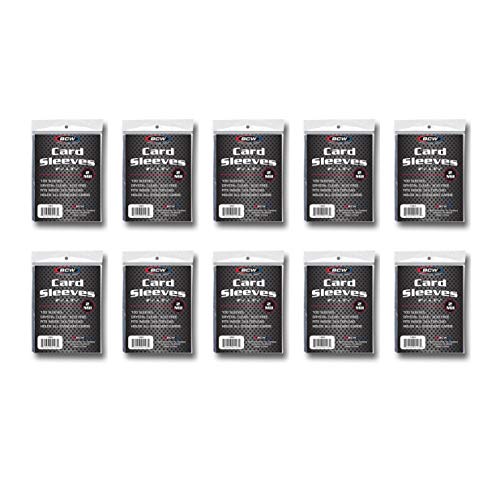
Penny sleeves, toploaders and bulk storage boxes are consumables. You will use every one of them eventually, they do not expire, they do not go out of date when a new set releases, and their per-unit price falls sharply with quantity. That combination makes them close to the ideal November purchase and close to the worst February purchase. A thousand-count sleeve box and a stack of toploaders bought on sale will outlast several years of collecting; the same money spent on two boosters is gone in four minutes. Semi-rigid card savers belong in the same basket if grading is anywhere in your plans, since those are the holders submissions actually ship in.
Singles do not go on sale, because they are already cheaper than the pack
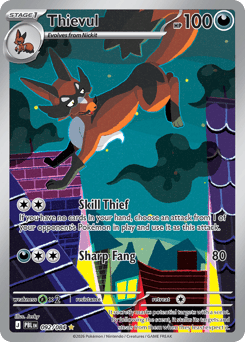
There is no Black Friday for singles. The singles market is thousands of individual sellers pricing against each other continuously, so it has no promotional calendar to run — prices move on supply and demand and nothing else. That sounds like bad news until you look at what they already cost. Across the five Mega Evolution era sets, 35 of the 68 priced illustration rares — just over half — cost less than the $4.49 list price of a single booster pack. The median is $4.29. Fifty dollars spent from the cheapest end buys twenty-two of them, all with a guaranteed hit rate of one hundred percent. No sale is going to beat that, which means the singles half of your November list needs no timing at all.


What we would buy at $25, $50 and $100
At twenty-five dollars, buy consumables and nothing else: a bulk sleeve box and a stack of toploaders, which covers the protection side of a collection for a long time. At fifty, buy a zip binder, or spend it on singles instead and take home roughly twenty illustration rares you actually chose. At a hundred, do both — a zip binder with a fifty-pack of pages, sleeves and toploaders, and whatever is left over on singles. What we would not do at any of the three tiers is spend the whole amount on sealed product, because that is the one category where the November price is least likely to be a real saving and the outcome is least likely to be the cards you wanted.
Cyber Monday is the better of the two days for gear
The split is fairly consistent. Black Friday doorbusters skew toward the loud, in-store, sealed-product side of the hobby, which is the half that discounts least honestly. Cyber Monday is online and skews toward exactly the commodity accessories that this hobby actually needs — the binders, sleeves, pages and boxes sold by companies that live and die on online pricing. If you can only pay attention on one of the two days, and what you need is storage, the Monday is usually the better use of your time and it comes with the small advantage that you have had the weekend to think about it.
If you are buying it as a gift, the timing runs backwards
The instinct is to hold out for the deepest possible discount, and for gifts that instinct costs money in this hobby specifically. Anything seasonal and Pokémon-branded gets scarcer and more expensive as December approaches rather than cheaper, because it is a fixed print run meeting a rising number of people who left it late. The Holiday Calendar is the clearest case — it lands at the end of August at list price with the deepest stock of the year, then drifts upward for four straight months. Waiting for a Black Friday price on it usually means paying more than the August buyers did. Buy the seasonal items early and save the November sales for the gear, which is genuinely cheaper in November.
Do one thing before the sales start: count what you actually need
The most common way to waste money in November is guessing. Work out roughly how many cards you are storing and how you want them arranged, and the shopping list writes itself — nine cards per page, so a five-hundred-card collection is about fifty-six pages, and a binder that holds far less than that is a purchase you will repeat next year. Knowing the number ahead of time also stops the opposite mistake, which is buying a case of pages for a collection that fits in one binder. Our binder planner will lay out a page before you commit to it, and half an hour in October is worth more than any discount in November.